 Blog Home
Low Email Click Rate? This is How to Fix
Stop sending emails that get ignored. Explore tactical strategies to fix low click-rates by leveraging shopper intent and reducing friction.

Our most recent articles
A low click-rate is often the first sign that your audience has tuned out your brand's messaging.
When open rates are ok, but clicks are non-existent, the disconnect usually lies in the relevance of the content or the effort required to take the next step.
Merchants frequently fall into the trap of sending the same promotional calendar to every subscriber. Let’s dive in to find out 5 proven ways to fix a low email click rate.
5 Proven Strategies to Improve Your Email Click Rate
The eCommerce industry has mistakenly gotten used to poor email performance.
To significantly improve average email click rates, we must address the root cause of low engagement.
Swym's data shows that industry click rates can climb as high as 12%, a figure many find incredible.
Download the full report to equip yourself with all the necessary insights for a successful all-year-long strategy.
The essential question is: How can we effectively bridge the gap between a shopper's initial interest and their final purchase decision?
Let’s take a look at 5 strategies that will help you improve your email click rate with one clear focus: capture latent intent and remove the technical barriers that prevent shoppers from returning to their favorite products.
1. Transition to Triggered Intent Flows
The most immediate way to fix a low click-rate is to stop relying on manual newsletters as your primary revenue driver.
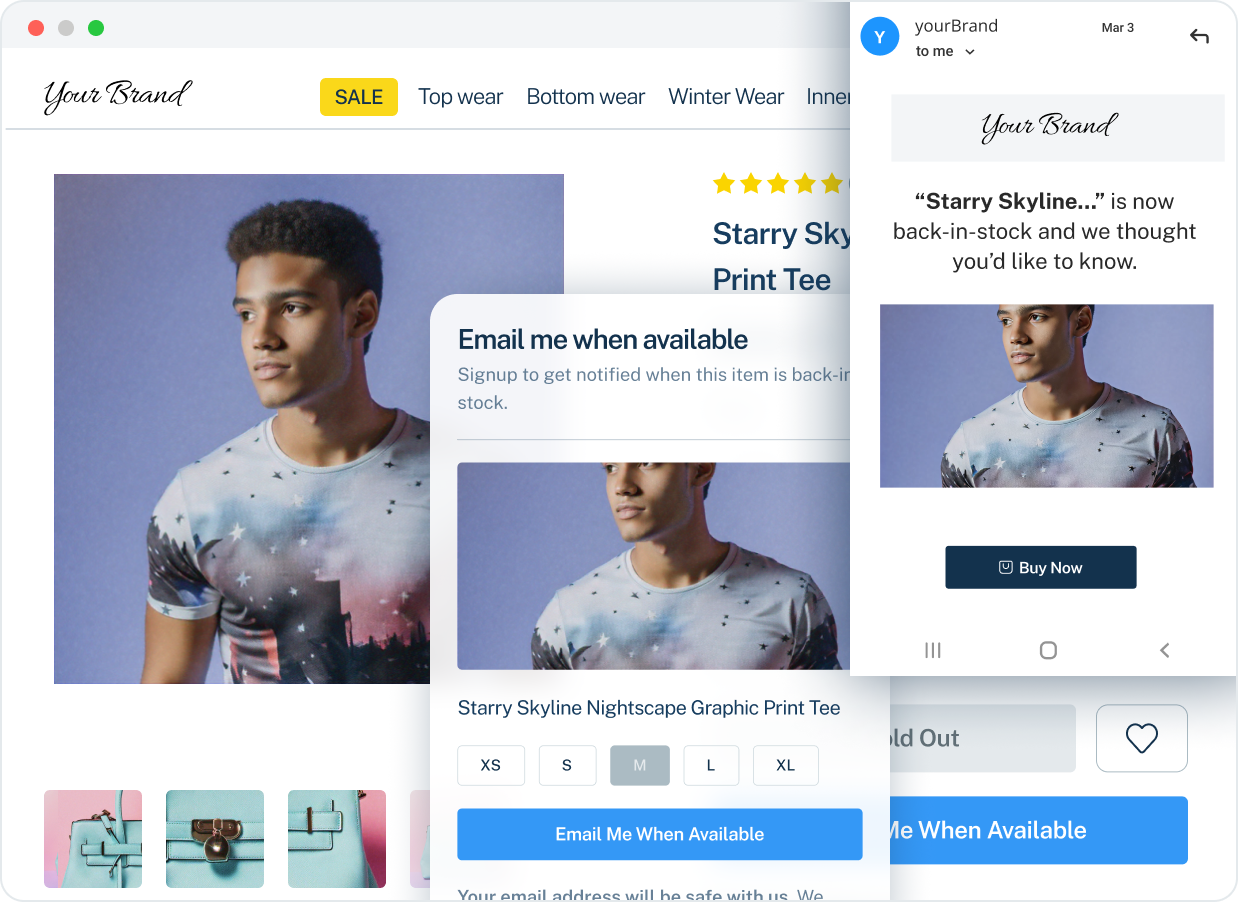
Automated emails triggered by specific shopper actions—like saving an item to a wishlist or signing up for a restock alert—consistently outperform standard campaigns. These messages are successful because they are inherently relevant.
💡Replace a generic "Weekly Picks" email with a "Price Drop on Your Favorites" to create a natural reason for the user to click.
2. Reduce Post-Click Friction
Sometimes the problem isn't the email, but where the email leads.
If a link drops a shopper onto a generic product page rather than the specific size or color they expressed interest in, you have introduced unnecessary work.
Every intent-based email should link directly to the product page with the user's preferred variants, such as size or color, already highlighted.
💡For an even more streamlined experience, links can lead directly to a pre-populated cart.
3. Capture Identity Without Forcing Logins
Friction is the primary enemy of the click. If your email strategy only targets logged-in users, you are missing a massive portion of your potential audience.
Data shows that 40% of shoppers remain anonymous during their journey.
By using guest email capture tools, you can identify these browsers the moment they interact with your brand. This allows you to enter their inbox with personalized content long before they ever create a formal account.
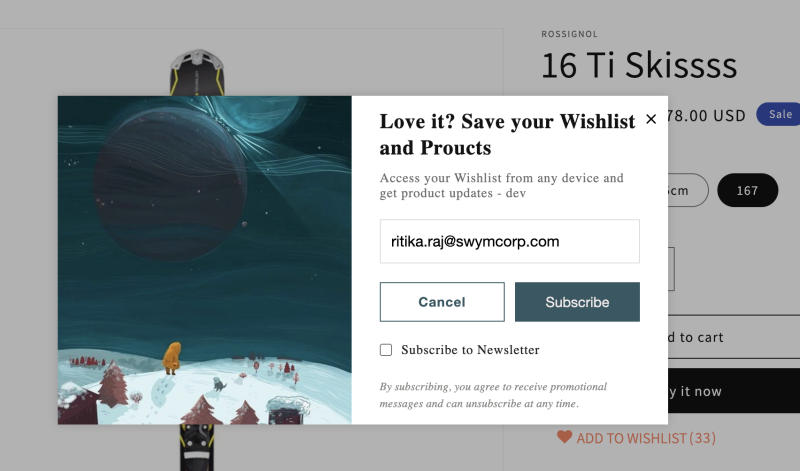
💡Reduce the barrier to entry to ensure more people receive the high-intent triggers that drive revenue.
4. Sync the Experience Across Every Device
A click often fails to convert because the shopper's journey is fragmented.
A modern purchase typically involves 6 to 8 touchpoints across various devices.
If a shopper clicks an email on their phone but finds an empty wishlist because they previously used their desktop, the momentum vanishes. Instead, when a shopper knows that their favorites will be waiting for them regardless of the screen they use, they are far more likely to engage with your reminders.
💡Make sure your customer engagement platform syncs shopper intent in real-time across all devices.
5. Leverage Scarcity and Social Proof
Clicks are often driven by the fear of missing out. If a shopper has saved an item, they have already indicated they value it.
Sending an automated "Low Stock" alert provides a logical, non-intrusive reason for them to return to your site.
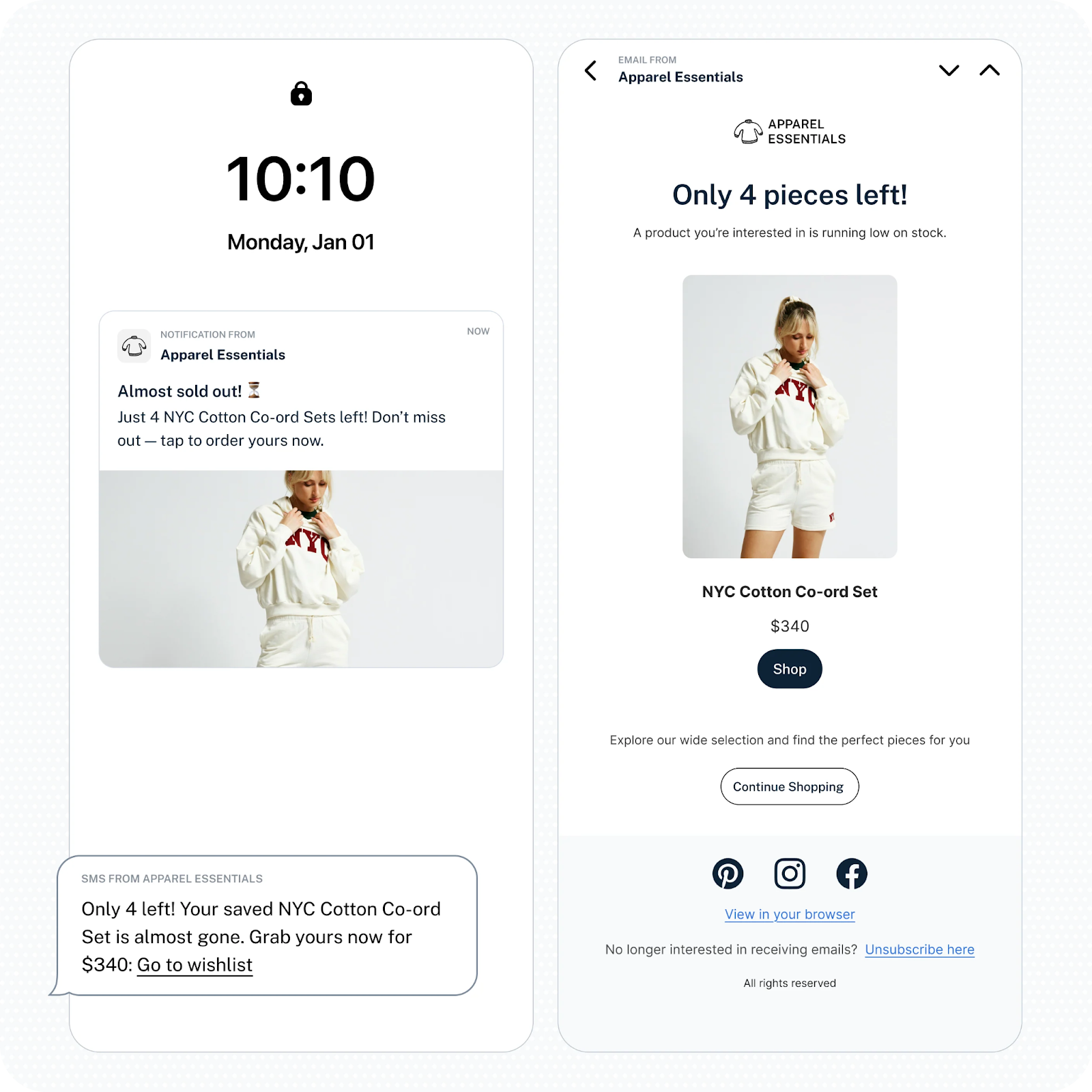
💡Pair these alerts with social proof, such as the number of other people who have wishlisted the same item to reinforce the value and encourage an immediate click.
Fixing Your Email Click Rate for the Long Run
Improving your click rates requires a system that understands the shopper journey.
Swym acts as the engine for this transition by turning anonymous browsers into identified revenue opportunities.
Our platform captures explicit interest, like wishlist saves and restock requests, and uses that data to trigger hyper-relevant communications. This ensures your emails arrive exactly when the shopper is most likely to act, rather than getting lost in a crowded inbox.
Capture the Products your Shoppers Truly Love
Swym Wishlist Plus lets shoppers save products they love, ensuring valuable customer intent is never lost and ready to convert.


%20%26%203%20Ways%20to%20Increase%20it.png)