 Blog Home
How to Measure Purchase Intent in Your Online Store
Learn proven methods to measure purchase intent in your online store, boost conversions, and identify high-value customers ready to buy from your ecommerce site

Our most recent articles
Most ecommerce stores are flying blind.
You know how many people visited your site last week. You know which pages they viewed and how long they stayed. You probably even know your bounce rate down to the second decimal.
But you have no idea who's actually planning to buy.
Traditional analytics platforms measure attention, not commitment. They track sessions and pageviews, which tell you a shopper showed up, not that they're building a path to purchase. This creates a massive blind spot where high-intent shoppers disappear between sessions, and you're left wondering why your conversion rate doesn't match your traffic growth.
The gap between visitors and buyers-in-progress represents invisible revenue. Revenue you can't optimize because you can't see it forming.
Why Traffic Metrics Don't Measure Intent
The Difference Between Curiosity and Commitment
A pageview means someone looked. A product save means they're considering.
The distinction matters because most merchants optimize for the wrong signal. When you chase traffic metrics, you're rewarding curiosity instead of capturing commitment. A shopper who views 15 products in three minutes is exploring. A shopper who saves one specific item in a Medium Blue is signaling purchase intent.
The average purchase window now stretches across 6 to 8 touchpoints. During that time, shoppers switch devices, compare prices, read reviews, and return multiple times before buying. If your analytics dashboard only shows what happened in the last 24 hours, you're measuring fragments of a much longer story.
What Traditional Analytics Actually Track
Google Analytics 4 excels at measuring behavior, not intent.
It tracks sessions, pageviews, scroll depth, and time on site. These metrics reveal engagement patterns, but they don't predict purchasing behavior. A shopper who spends eight minutes reading product descriptions might be researching for a school project. A shopper who saves that same product to a wishlist is planning to buy it.
The tools most brands rely on measure the symptom, not the cause. High traffic with low conversion isn't necessarily a messaging problem or a pricing problem. It's often an intent capture problem. You're letting shoppers research and leave without giving them a way to bookmark their progress.
The 5 Trackable Signals of Purchase Intent
Intent becomes measurable when you track actions that require commitment.
These five signals represent explicit declarations of interest. Unlike passive browsing behavior, each one requires a shopper to take a deliberate step that signals what they want and when they're ready to act on it.
1. Product Saves and Wishlist Additions
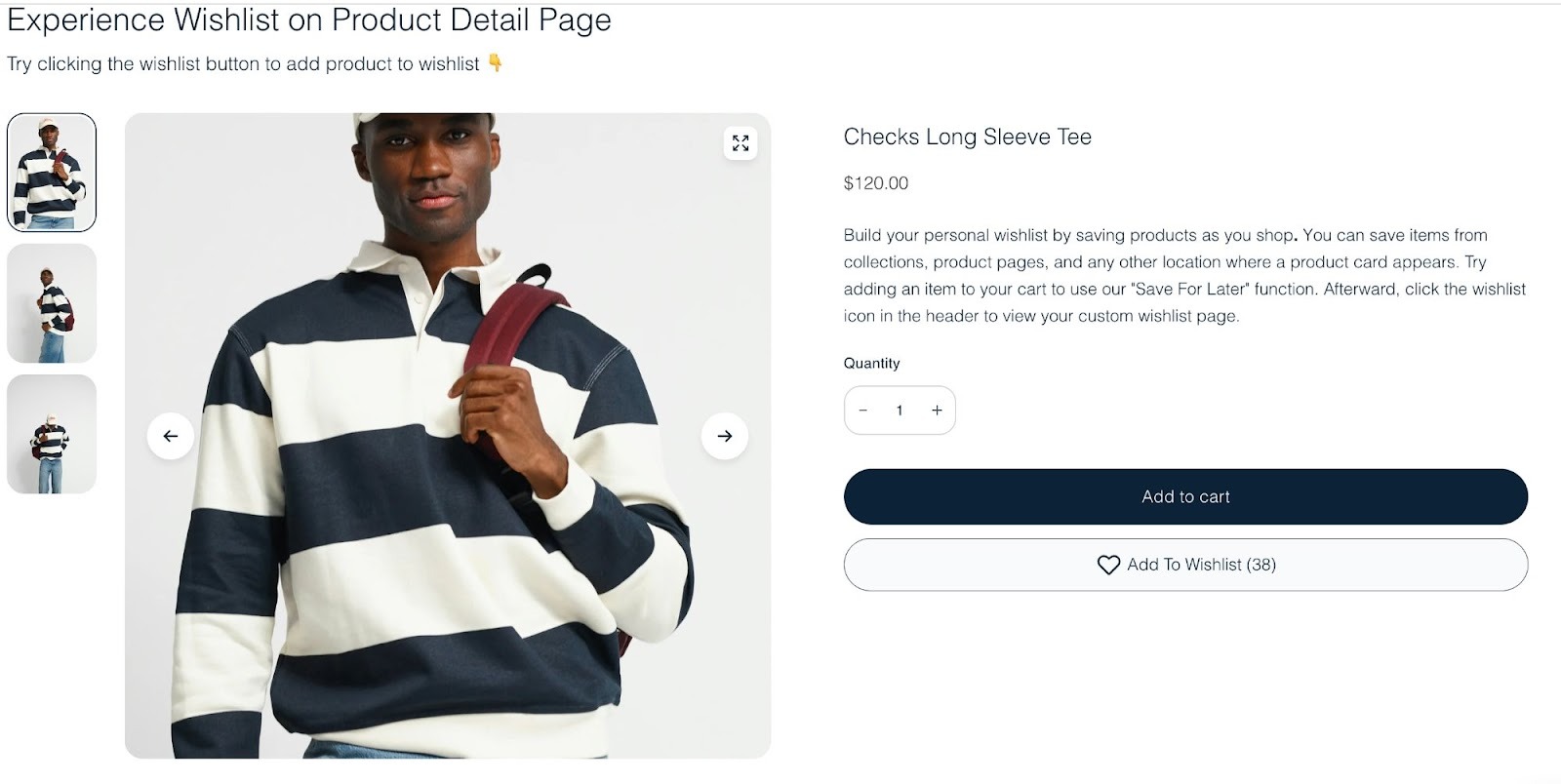
When a shopper clicks the heart icon or adds an item to a wishlist, they're bookmarking a future purchase.
This action costs them nothing but creates a record of product-level intent. You now know which specific item they want, in which variant, at which price point. That data is trackable, actionable, and far more predictive than a product view.
The key metrics to monitor are save rate (percentage of site visitors who save at least one product) and save-to-purchase conversion rate. Data from Swym shows that shoppers who engage with wishlist features convert at 31% over the full consideration window, compared to the industry average conversion rate of 2 to 3%.
2. Back-in-Stock and Price Drop Alert Subscriptions
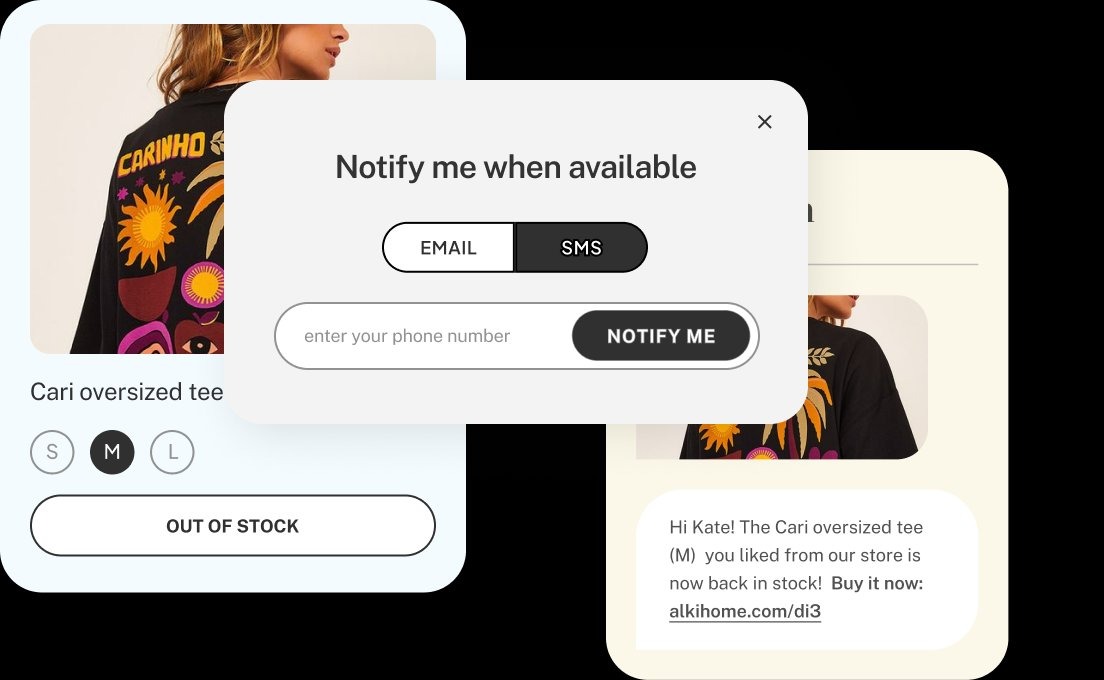
A shopper who subscribes to an alert is telling you exactly which product they want and under what conditions they'll buy.
This is the clearest example of zero-party data. The shopper volunteers their email or phone number in exchange for a notification about a specific product variant. No cookies required. No third-party tracking needed. Just explicit, consent-based intent.
These buying signals generate measurable outcomes. Back-in-stock alerts earn a median of $63 in revenue per alert sent, with open rates around 79% and click-through rates between 30 and 35%. Alert subscription rate becomes a leading indicator of latent demand, especially for products with high stock turnover.
3. Repeat Product Views Across Sessions
Three views across two weeks is intent building.
This signal requires cross-session tracking to become visible. If your analytics platform treats each visit as an isolated event, you'll never see the pattern of a shopper returning to the same product multiple times. But when you can track repeat engagement, you unlock a powerful predictor of purchase readiness.
The metric to watch is repeat view rate and the time elapsed between first and last view. Shoppers who return to a product across multiple sessions are in the research and consideration phase. Data shows that how long shoppers take to buy averages 41 days, with 10% taking more than 120 days to complete a purchase.
4. List Creation and Curation Behavior
Shoppers who create named lists are planning bundled purchases.
A wishlist labeled "Summer Wardrobe" or "Baby Registry" signals intent at the category level, not just the product level. These shoppers are thinking in systems, not single items. They're planning a multi-product purchase event, which translates directly into higher basket density.
Track average items per list and list-to-cart conversion rate. Swym data shows that shoppers who engage with list features have 70% higher basket density compared to general site visitors.
5. Cross-Device and Cross-Channel Engagement
Intent that survives a device switch is stronger than intent confined to a single session.
A shopper who saves a product on mobile during their commute and returns to it on desktop at work is demonstrating persistent interest. That cross-device behavior compounds the strength of the intent signal because it proves the shopper is willing to carry that interest across contexts.
The trackable metric is cross-device save rate and POS-to-online intent sync. When a shopper's wishlist follows them from their phone to their laptop to the physical store via Shopify POS, you've created true omnichannel continuity. These intent signals indicate a shopper who's moved past casual browsing into active purchase planning.
How to Start Measuring Intent Today
Most merchants already have traffic. What they're missing is the infrastructure to capture and measure intent as it forms.
The shift from measuring pageviews to measuring saves, alerts, and list interactions requires both tooling and a change in how you define success. Here's how to audit your current setup and close the gaps.
Step 1: Audit Your Current Analytics for Intent Gaps
Open your analytics dashboard and search for intent-related events.
Can you segment users by "wishlisted at least one product"? Can you see how many shoppers subscribed to a back-in-stock alert last week? Can you track repeat product views across sessions and devices?
If the answer is no, you're missing the intent layer entirely. Most GA4 setups track pageviews and add-to-cart events, but not saves or alert subscriptions. That means you can see when someone added an item to their cart, but you can't see the three weeks of consideration that led up to that moment.
Step 2: Implement Zero-Party Data Capture
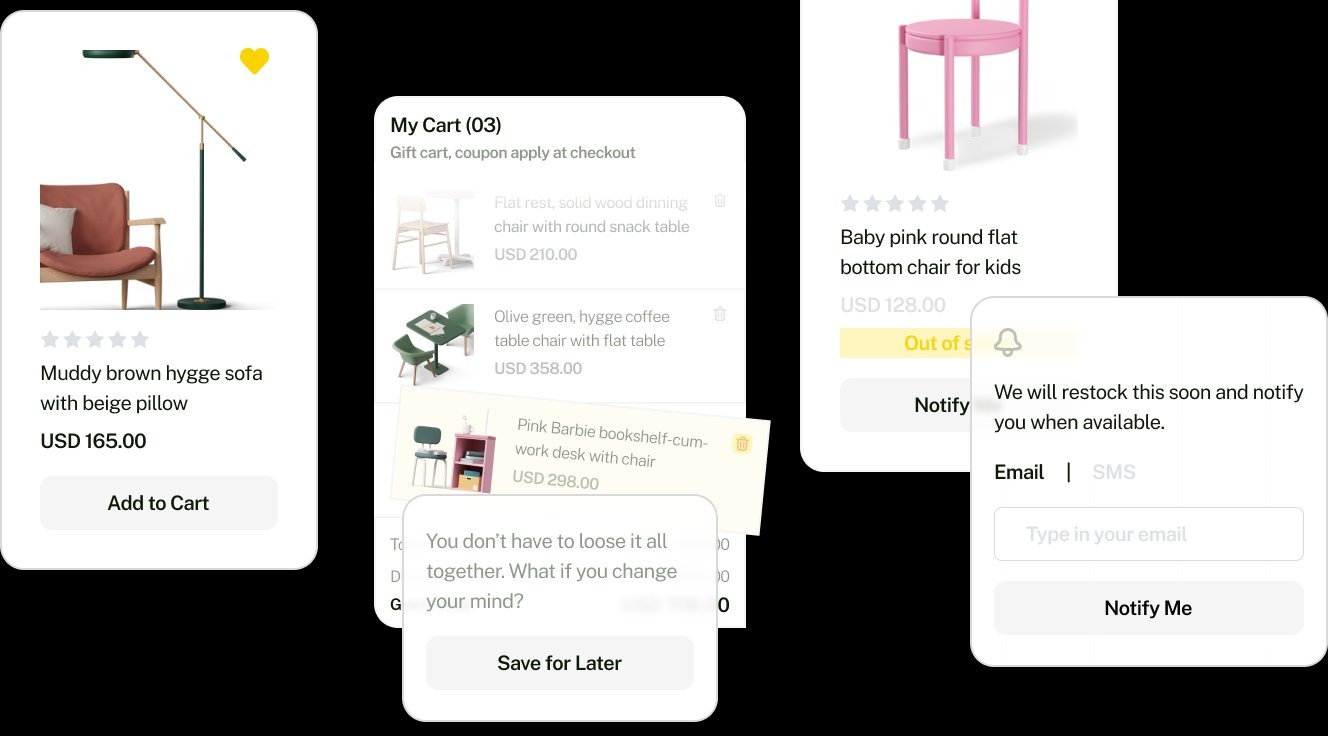
Turn passive browsing into active intent by offering wishlist, save-for-later, and alert features.
These tools create trackable, consent-based data that isn't subject to cookie deprecation or privacy regulation. When a shopper saves an item or subscribes to an alert, they're volunteering information about what they want. That data belongs to you, not a third-party ad network.
Capturing latent shopper intent through zero-party data also shifts the relationship dynamic. You're no longer guessing what someone might want based on browsing patterns. You know exactly which products they're interested in because they told you.
Step 3: Sync Intent Signals to Your Marketing Stack
Intent data is only valuable if it triggers action.
Connect intent signals to your ESP so that a saved product automatically enrolls the shopper in a nurture sequence. When someone subscribes to a back-in-stock alert, that event should fire a confirmation email and add them to a segmented list for future messaging.
Syncing intent to platforms like Klaviyo, Attentive, or Meta Ads allows you to turn window shoppers into buyers through automated re-engagement. A shopper who saves three items but doesn't buy should receive a reminder email. A shopper who subscribes to a price drop alert should get notified the moment that product goes on sale.
This is where intent measurement becomes intent activation.
Step 4: Start Tracking Results
Once you've implemented intent capture, your dashboard should reflect a new set of leading indicators.
These metrics tell you who's building a path to purchase, not just who completed a transaction yesterday. Monitor them weekly to understand the health of your intent funnel and identify opportunities for optimization.
- Save Rate: Percentage of site visitors who save at least one product. This measures the top of your intent funnel. A low save rate suggests friction in the save experience or a mismatch between traffic quality and product offering.
- Alert Subscription Rate: Percentage of product viewers who subscribe to back-in-stock or price drop alerts. This captures explicit demand for products that aren't immediately available. A high subscription rate on out-of-stock items signals strong latent demand.
- Save-to-Purchase Conversion Rate: Percentage of saved products that result in a purchase. This measures the quality of saved intent and the effectiveness of your re-engagement strategy. Swym data shows a 31% conversion rate among wishlisters over the full consideration window.
- Intent-to-Revenue Ratio: Revenue from intent-engaged shoppers versus non-engaged shoppers. This metric quantifies the lift from intent capture. Shoppers who engage with wishlist or alert features typically spend 15% to 25% more per order.
- Cross-Device Intent Retention: Percentage of saves and alerts that persist across device switches. This measures the strength of your cross-device sync and the durability of intent signals over time.
How to Measure Purchase Intent Automatically with Swym
Most intent measurement requires custom event tracking, complex tagging plans, and developer resources.
Swym eliminates that friction entirely. Our platform is purpose-built to capture, measure, and activate product-level intent with zero configuration required.
For merchants on Shopify, it's the fastest path from "I don't know who's planning to buy" to "I can see and act on every intent signal."
Zero Configuration Intent Tracking
Swym captures saves, alerts, and list interactions natively on Shopify.
No custom event setup. No tagging plan. No developer required. The moment you install wishlist tools that capture purchase intent, the platform begins tracking which shoppers are engaging with which products, in which variants, at which price points.
This data flows directly into the Swym dashboard, giving you real-time visibility into intent signals as they form. You can segment shoppers by save behavior, alert subscriptions, and list activity without writing a single line of code.

Variant-Level Intent Precision
Swym tracks intent at the product variant level, not just the product level.
When a shopper saves a Medium Blue Shirt, the system records that exact variant. If that shopper subscribes to a back-in-stock alert, the notification only triggers when the Medium Blue variant restocks, not when the product is available in a different size or color.
Cross-Device and Cross-Channel Sync
Intent follows the shopper from mobile to desktop to in-store.
A wishlist created on a phone is accessible on a laptop and visible to store associates at checkout via Shopify POS. Their saved items, alert subscriptions, and curated lists persist across the entire journey.
Capture the Products your Shoppers Truly Love
Swym Wishlist Plus lets shoppers save products they love, ensuring valuable customer intent is never lost and ready to convert.