 Blog Home
7 Ecommerce Trends You Need To Watch Out For in 2026
Master the latest 2026 ecommerce trends: From the 41-day purchase window to the death of cookies, discover the actual new trends you need to know to succeed.

Our most recent articles
2026 ecommerce trends are officially about depth.
For years, the ecommerce playbook was simple: buy cheap traffic, drop a cookie, and chase the shopper until they caved. But as we move through 2026, those old-school tactics aren't just working anymore.
Today, staying on top means truly understanding the human being on the other side of the screen.
Disclaimer: As we break down these new 2026 ecommerce trends, you’ll notice a common thread: the power has shifted from the tracker to the shopper. Whether it is navigating the death of the third-party cookie or surviving a longer consideration cycle, success this year requires a radical shift in perspective.
One could argue that’s a positive and a negative change. But what we are here for is to learn to adapt. So without further ado, let’s delve into the latest ecommerce trends you need to know in 2026.
Top 7 Most Relevant Ecommerce Trends in 2026
1. The AI Paradox
Generative AI is everywhere, and for a while, brands have benefited from this by significantly reducing the cost of content creation and increasing their effectiveness.
But here is the catch: people are starting to run away from AI-generated content.
Currently, there is a massive movement toward prioritizing human elements because the internet is becoming flooded with low-quality, synthetic text.
This is the reason why forums like Reddit and niche communities are exploding: people want to hear from real humans with real, messy opinions.
Here’s how to adapt: You need a presence where people talk. Whether that’s Reddit, Quora or any other place your audience is, just make sure to be there and be active.
And be warned: this is very hard to scale.
You cannot simply unleash a marketing bot into a subreddit or a Discord server; the community will sniff it out and you will get banned.
You need a strategy that involves genuine participation.
Surely, it is incredibly difficult to control the narrative in these spaces, but they are where the most valuable conversations about your brand are taking place, so it’s worth a shot.
Protip: Use AI to handle the mundane tasks, like where is my order or what is your return policy. But when it comes to product advice or brand storytelling, keep it human.
2. True Personalization: More Than a “Hey, Name”
In the past, personalization meant putting a customer's name in an email subject line or a generic happy birthday discount. In 2026, that’s just the bare minimum. And frankly, shoppers see right through it.
True personalization is contextual and behavioral.
It’s knowing that a shopper looked at a blue jacket on their phone three times last week and showing them that exact blue jacket, perhaps with a notification that it’s now low in stock in their specific size, on their laptop.
It’s about being helpful and reducing friction.
It means serving the right content based on where they are in their customer journey, rather than hitting them with the same generic hero banner every time they land on your homepage.
And here’s more to add: personalization needs to happen consistently across devices and channels.
3. Omnichannel vs. Multichannel
Most brands think they are omnichannel because they have an app, a site, and a physical presence. That’s actually just multichannel: a bunch of separate silos that don't talk to each other. The new ecommerce trends for 2026 demand a unified journey.
If a customer adds an item to a wishlist on their mobile app, it better be there when they open their cart on a desktop browser.
If they receive an email about a restocked item, clicking that link should take them to a page that recognizes who they are.
Real omnichannel means the customer sees one brand, one basket, and one continuous story, regardless of the device or platform. And also in store.
If your channels don't share data in real-time, you’re creating a fragmented experience that kills the momentum of the sale.
Let’s talk about data for a sec.
4. The Death of the Third-party Data
For a long time, brands relied on third-party data, but with privacy laws tightening, especially in Europe with GDPR and across the US with CCPA, that type of stalking is over.
Browsers have slammed the door on cross-site tracking, leaving brands in a persistent blind spot.
The latest trends focus on First-Party and Zero-Party data. Since you can't track them from the outside anymore, you have to invite them in.
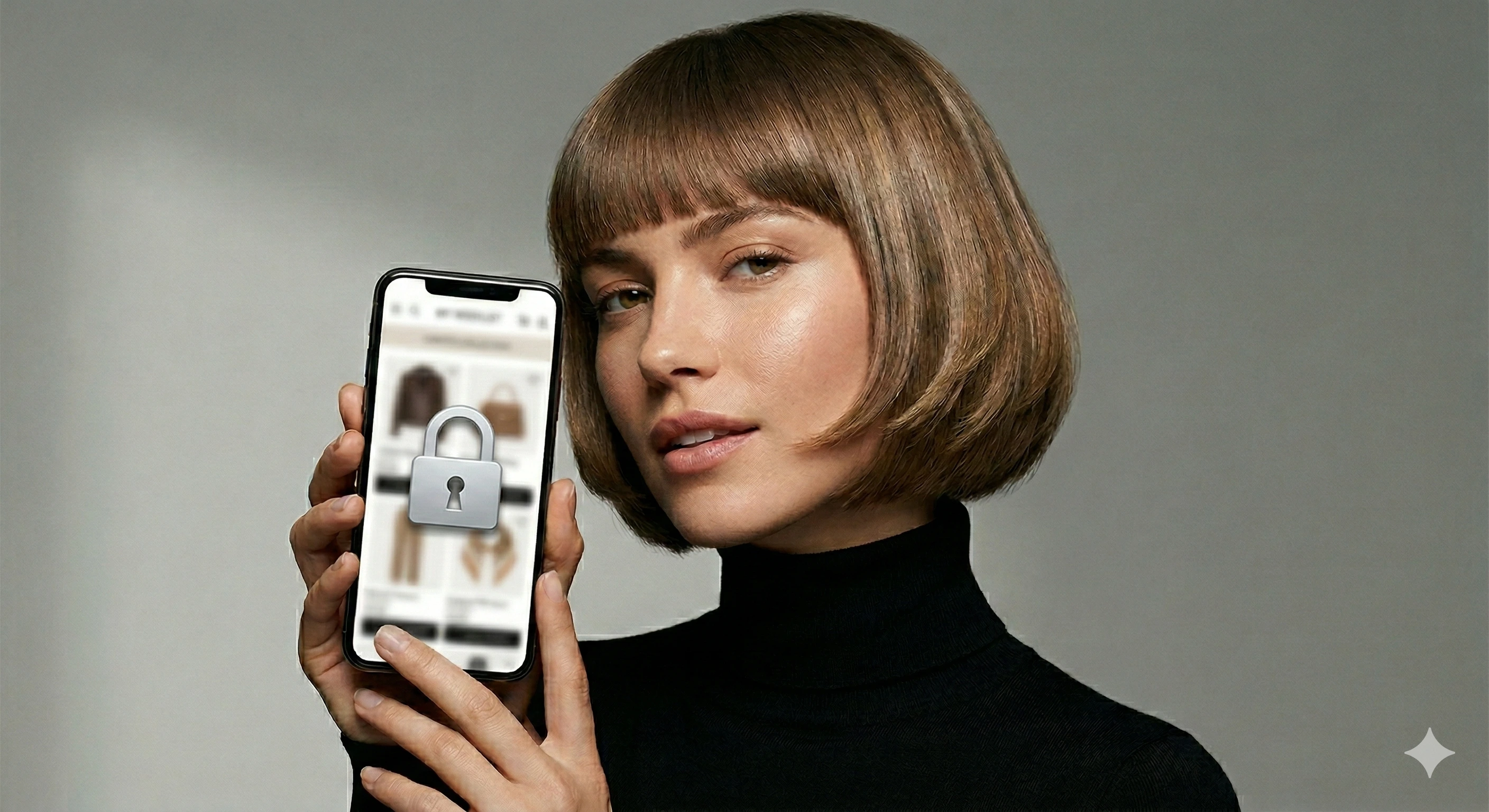
When a user saves a wishlist, signs up for a back-in-stock alert, or sets a price drop notification, they are giving you explicit permission to talk to them.
You now own the data, you just have to act on it.
This is a massive shift from passive tracking to active listening.
In 2026, if you aren't capturing what shoppers intentionally tell you, you’re essentially flying blind and paying a premium to ad platforms to rent an audience you should already own.
But why is this important? You may wonder.
5. Shoppers Don’t Buy on a Whim
One of the most surprising 2026 ecommerce trends is the velocity at which shoppers actually buy.
We used to think if a customer didn't buy in 24 hours, the lead was dead and the marketing spend was wasted. Data now reveals a massive 41-day window between the first visit and the final sale.
Behavior hasn’t changed. But because the journey was fragmented, we couldn’t just zoom out and see the truth.
Shoppings are comparing specs on their commute, waiting for paydays, and checking Reddit reviews while they lie in bed.
Expert brands in 2026 are those that nurture this window, providing tools like Save for Later to keep the brand top-of-mind during the long consideration phase.
If your strategy only focuses on the Buy Now button, you’re missing the 40 days of intent happening in the middle.
6. BFCM is a Must, But Don’t Forget the Off-Season
Black Friday/Cyber Monday is the undisputed heavyweight champion, but a major shift in ecommerce trends shows that brands in 2026 are bleeding money by ignoring their industry’s specific mini-peaks.
Relying solely on November to save your yearly revenue is a high-risk gamble that ignores how different categories actually breathe. For instance:
- Pets & Animals brands see massive surges in early Spring.
- Home & Garden peaks are driven by weather patterns
- Consumer Electronics researchers often start their journey 60 days before a major release.
Winning in 2026 means having a seasonal calendar that respects your specific industry’s heartbeat.
Protip: You need to capture intent during the quiet months so that when your specific peak arrives, you already have a list of high-intent shoppers ready to convert.
Intent: What All These Trends Have in Common
As these 2026 ecommerce trends reshape the digital landscape, we keep coming back to one simple term: intent.
At Swym, we’ve spent years building the infrastructure to capture it and activate it.
By moving away from brittle third-party cookies and toward high-fidelity, first-party identity resolution, we help brands capture the invisible signals that define modern commerce.
Whether it’s syncing a unified journey across 8 different touchpoints or automating personalized alerts for a shopper who isn't ready to buy today, our platform turns anonymous browsers into known, high-value customers.
In a year where privacy is paramount and the impulse buy is dead, Swym provides the intelligence you need to own your data, nurture every journey, and thrive in the new era of intentional commerce.
Capture the Products your Shoppers Truly Love
Swym Wishlist Plus lets shoppers save products they love, ensuring valuable customer intent is never lost and ready to convert.