 Blog Home
Customer Intent Platform: What to Look for in 2026
Discover the key features and capabilities to evaluate when choosing a customer intent platform that identifies buying signals and drives revenue growth

Our most recent articles
Most merchants think the answer to stagnant conversion rates is better ads or a new email platform. The real gap is simpler. They are not capturing intent when shoppers express it.
A customer intent platform sits between the shopper and the checkout. It preserves context across sessions and channels so the journey does not reset every time someone switches devices.
Without one, brands are stuck re-buying the same customer through paid ads because they cannot activate the demand already on-site. The revenue is there. The infrastructure to capture it is not.
What Is a Customer Intent Platform?
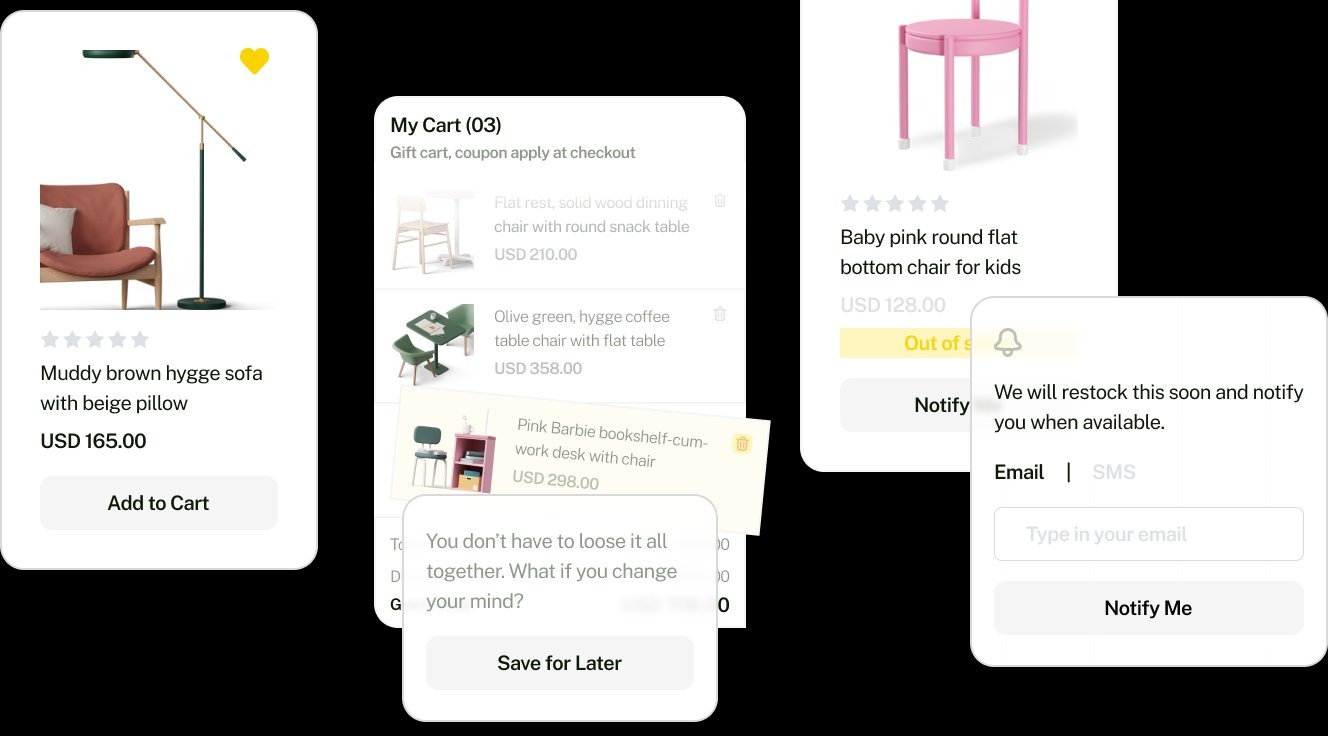
A customer intent platform is a commerce application layer that captures explicit shopper signals and orchestrates next-best actions across onsite, email, SMS, and ads. These signals include saves, alerts, and list creation. They are not guesses. They are direct expressions of customer intent.
This category is distinct from adjacent tools that merchants often confuse it with. A CDP aggregates data from all sources but does not act on it in real time. An ESP sends emails based on behavioral triggers but does not capture zero-party intent. A personalization engine infers preferences from clicks and views, not explicit saves or requests.
A true intent platform captures, unifies, and activates shopper-level signals to reduce friction and drive conversion. Intent data becomes the foundation for understanding what a shopper wants before they abandon the journey.
The difference is structural. While CDPs answer "who is this person," intent platforms answer "what does this person want to buy right now, and on what terms."

Why Customer Intent Platforms Matter in 2026
The buying cycle has stretched to 41 days. Shoppers now take 6-8 touchpoints to complete a purchase. Without intent capture, brands lose the thread between sessions.
Third-party tracking is functionally dead. Apple ATT, GDPR enforcement, and cookie deprecation mean merchants cannot rely on surveillance-based tracking. Zero-party data is the only durable alternative.
Paid acquisition is cannibalizing margin. Brands are re-buying the same customer through Meta and Google because they cannot see that the shopper already expressed intent on-site. The latent shopper intent is there. The infrastructure to activate it is missing.
A customer intent platform solves this by preserving shopper context across devices and channels. The journey does not reset every time someone switches from mobile to desktop or walks into a store. The momentum stays intact.
Core Features of a High-Performance Intent Platform
1. Cross-Channel Intent Sync
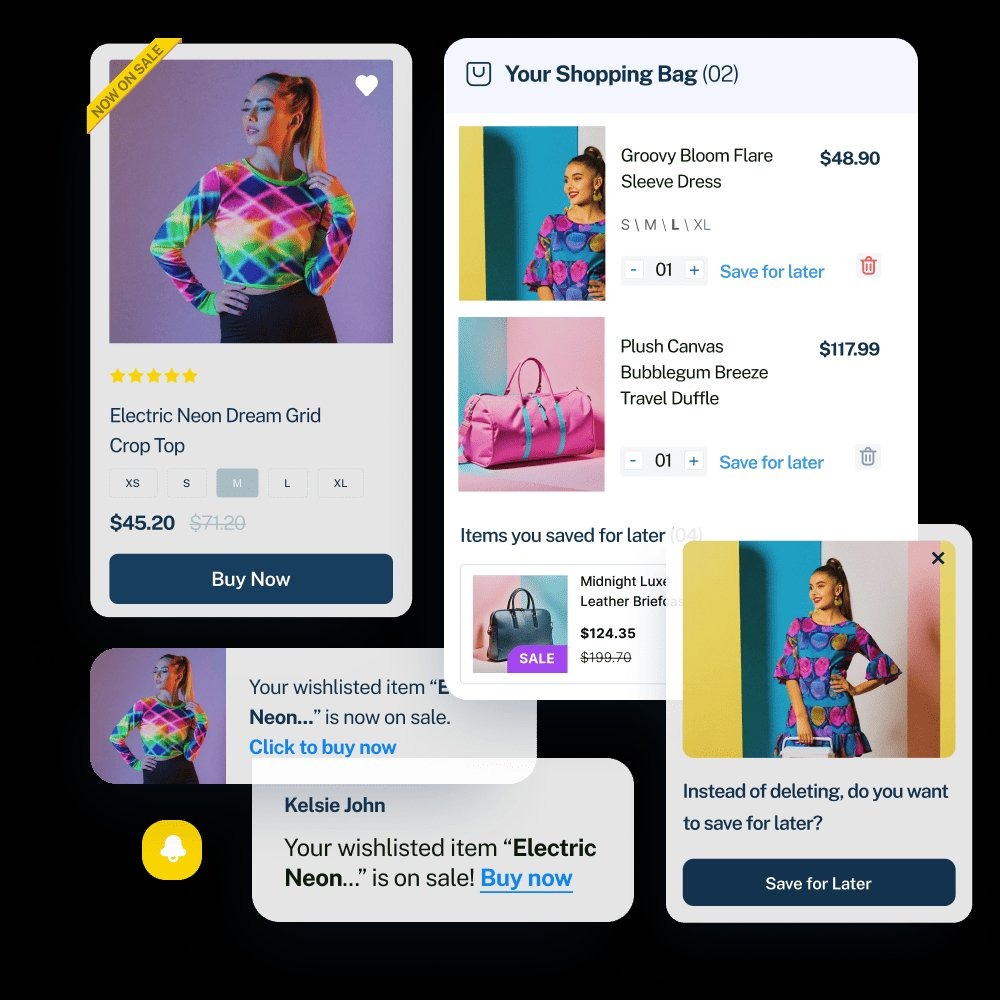
Shoppers do not stay on one device. A platform must sync wishlists, alerts, and cart context across mobile, web, and in-store touchpoints like Shopify POS.
A shopper saves a dress on their phone during lunch. That same wishlist should be waiting when they open their laptop at home or walk into the flagship store. This is journey continuity in practice.
Swym's cross-device sync ensures progress never resets. The shopper picks up exactly where they left off, regardless of surface. This continuity is what separates a frictionless experience from a fragmented one.
2. Variant-Level Tracking
Generic tools track product interest. Intent platforms track size, color, and style preferences.
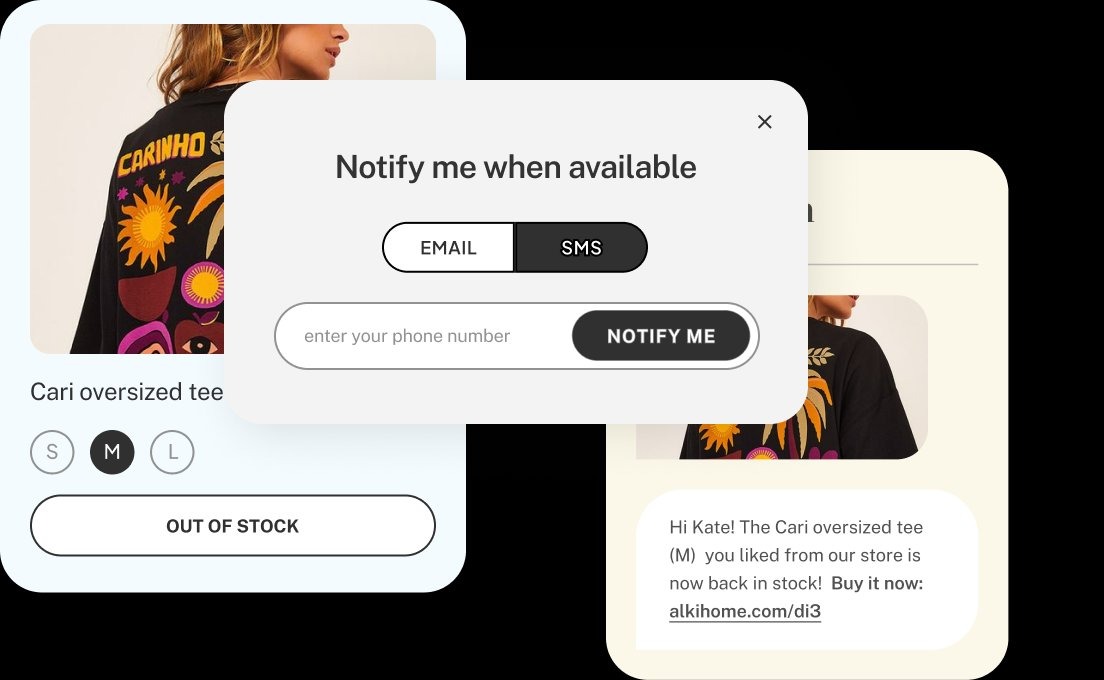
Back in Stock alerts only trigger when the exact variant the shopper wants is available. Not just any version of the product. This precision reduces notification fatigue and drives higher CTR and conversion.
If a shopper requested a restock alert for a size medium in navy, sending an alert when only large in black is back does not help. It erodes trust. Variant-level tracking ensures every notification is relevant.
3. Strategic Integrations
Look for native integrations with Klaviyo and Attentive to turn wishlist saves into high-intent email and SMS segments.
Meta Ads sync should push intent signals to Custom Audiences for retargeting.
Shopify POS should surface wishlists and alerts to in-store associates.
CDPs should receive intent data feeds for unified reporting.
Swym's integration breadth ensures that captured intent flows seamlessly into your existing marketing stack. Intent signals become the input for personalized flows that convert at multiples of generic campaigns.

4. Composable and Extensible Architecture
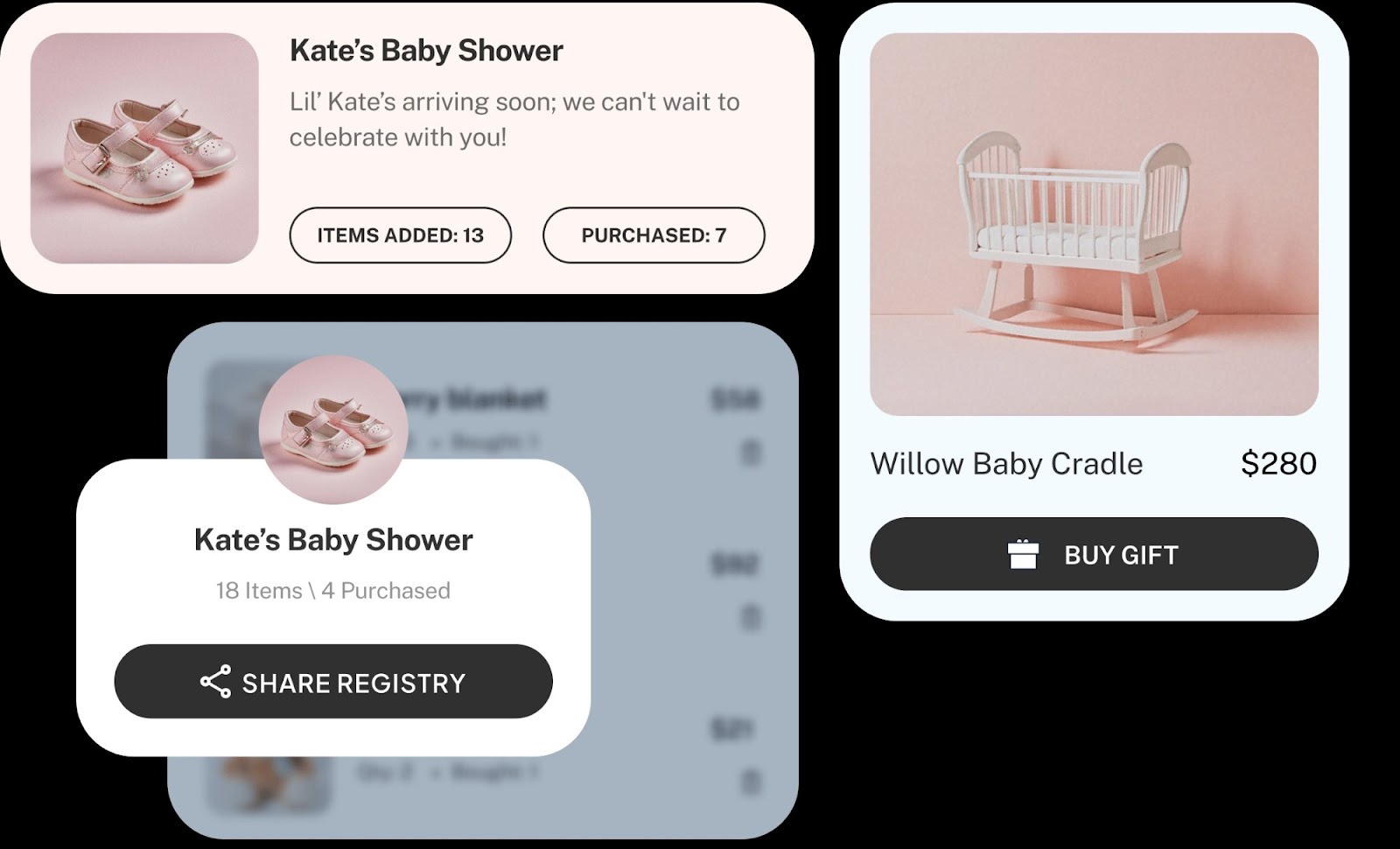
Mid-market brands need flexibility. A platform should allow you to start with one capability like Wishlist and expand into others like Back in Stock, Price Drop, or Gift Registry without migrating.
Open APIs let technical teams build custom workflows and frontend experiences that match brand-specific design requirements. You are never locked into a one-size-fits-all interface.
How to Evaluate a Customer Intent Platform
When evaluating platforms, ask three questions.
- First, does it capture zero-party data at the moment of expression? If the platform relies on inferred behavior from page views or scroll depth, it is guessing, not listening.
- Second, does it unify intent across every surface where your brand operates? A shopper's wishlist on mobile should be accessible on desktop, in email, and at the point of sale.
- Third, does it activate that intent through integrations with your existing stack? A platform that stores data but does not push it into Klaviyo, Attentive, or your ad accounts is a reporting tool, not a revenue engine.
- Finally, assess the support model. At the SMB level, look for platforms with strong self-service documentation and responsive chat support. At mid-market scale, expect a dedicated CSM who acts as a strategic partner, not just a help desk.
Customer intent analysis should inform every decision in this evaluation. The platform that captures the most granular signals and activates them across the most channels wins. The one that requires the least technical overhead to deploy and scale is the one that sticks.
The goal is simple. Turn window shoppers into buyers by capturing intent at the moment it is expressed and preserving it across every session until the shopper is ready to commit.
Why Swym Is the Right Customer Intent Platform for Shopify Brands
Swym is Shopify-native. There is no site speed impact. The platform integrates directly with inventory, POS, and checkout.
Cross-device sync is standard. Shoppers resume their journey seamlessly whether they are on mobile, desktop, or in-store. The wishlist saved on a phone appears in the cart on a laptop and surfaces for an associate at the register.
Variant-level precision means alerts trigger only when the exact size, color, or style the shopper wants is back in stock. This reduces notification fatigue and drives higher engagement.
Strategic integration depth includes native connectors for Klaviyo, Attentive, Meta Ads, Ometria, and open APIs for custom CDP sync. Intent signals flow into the tools that already drive revenue without manual exports or middleware.
Swym is composable from day one. Start with Wishlist Plus, expand into Back in Stock, Price Drop, Gift Registry, and advanced analytics without platform migration. The architecture scales from $500K brands to $500M enterprises.
Proven scale matters. Swym merchants influenced over $1.14 billion in revenue in 2025 by capturing and activating intent that would have been lost. This is not potential revenue. This is attributed, tracked, and verified.
When evaluating a customer intent platform, the question is whether it captures intent at the moment of expression, unifies it across channels, and activates it through your existing stack. Swym does all three without sacrificing site speed or forcing platform migration.
Capture the Products your Shoppers Truly Love
Swym Wishlist Plus lets shoppers save products they love, ensuring valuable customer intent is never lost and ready to convert.