 Blog Home
Where to Get Purchase Intention Data That Actually Converts
Discover the best sources for purchase intention data to boost conversions and target high-intent buyers ready to purchase your products.

Our most recent articles
Most ecommerce brands know they're losing revenue. They just don't know why.
A shopper adds three items to cart, then disappears. Another browses your catalog across five sessions. Neither buys. You retarget them with generic ads because you don't have the data to do anything sharper. The conversion never comes.
The issue isn't traffic. It's that you're flying blind on what shoppers actually want. Without visibility into purchase intent, every decision is a guess.
This article breaks down where ecommerce brands can collect purchase intention data, how each source stacks up, and which signals actually drive conversions.
What Purchase Intention Data Actually Is
Purchase intention data is any signal that shows a shopper is considering a specific product. It's not demographic information or browsing history. It's behavioral and declarative data tied directly to a buying decision.
Examples include saving a product to a wishlist, requesting a back-in-stock alert, adding to cart, or clicking through a discount email for the second time. These actions separate casual browsers from people actively weighing a purchase.
Brands that capture and act on this data close more sales because they stop guessing and start responding to explicit demand.
The Three Sources of Purchase Intention Data
Not all purchase intention data is created equal. The quality, accuracy, and compliance profile of your intent signals depends entirely on where you collect them.
There are three categories: zero-party, first-party, and third-party. Each has tradeoffs in reliability, scalability, and legal risk.
Zero-Party Data: The Gold Standard for Intent
Zero-party data is information a shopper deliberately shares with your brand. They tell you what they want. Examples include wishlist saves, size preferences, alert subscriptions, and quiz responses.
This is the most reliable form of purchase intention data because it's explicit. A shopper who saves a product to their wishlist is declaring interest. There's no interpretation required.
Zero-party data is also consent-based, which makes it legally durable in a post-cookie world. The shopper gave it to you directly, for their own benefit. You own it outright.
The downside is that zero-party data requires infrastructure. You need tools that make it easy for shoppers to declare intent. Without a wishlist, alert system, or preference capture flow, this data simply doesn't exist.
First-Party Data: Behavioral Signals You Already Collect
First-party data is behavioral information collected from your own properties. It includes product page views, time on site, add-to-cart events, email opens, and click-through rates.
This data is helpful for segmentation and retargeting. If someone viewed a product three times but didn't buy, you can infer interest. If they abandoned cart, you know they got close.
The challenge with first-party data is interpretation. A repeat visitor might be interested, or they might be comparison shopping across ten brands and never buy from any of them. You're making an educated guess, not acting on confirmed intent.
First-party data is also constrained by what your tools can track. If a shopper switches from mobile to desktop, or browses in private mode, you lose continuity. The signal fragments across sessions.
That said, first-party data is essential for building audiences and triggering automations. It just works better when combined with explicit intent signals like saves and alerts.
Third-Party Data: Expensive, Fragile, and Fading Fast
Third-party data is intent information purchased from external providers. It's typically aggregated from ad networks, data brokers, or co-op pools. Brands use it to build lookalike audiences or append enrichment data to customer profiles.
The appeal of third-party data is scale. You can target shoppers who haven't visited your site yet but match the profile of people who convert.
The problems are legal risk, accuracy, and cost. Third-party data is built on cookies and tracking pixels, which are being deprecated by browsers and restricted by privacy regulations. It's also expensive, often charged per lead or impression.
More fundamentally, third-party data is indirect. It tells you someone behaved a certain way on someone else's site. It doesn't tell you what they want from you.
For ecommerce brands focused on converting existing traffic, third-party data is a poor fit. You're paying for reach when the real opportunity is activating demand you've already generated.
Why Zero-Party Intent Data Converts Better
Zero-party data outperforms other sources because it's specific, timely, and actionable. When a shopper saves a product, you know exactly which SKU they want. When they subscribe to a back-in-stock alert, you know when to reach them.
This specificity eliminates waste. You're not sending a generic "Come back" email. You're sending "The sneakers you saved are back in stock in your size." That level of relevance drives open rates above 70% and conversion rates in the double digits.
Zero-party data also carries implicit permission. The shopper shared it because they want you to act on it. That changes the dynamic from interruption to service.
Brands that layer zero-party intent on top of first-party behavioral data create a full picture of what shoppers want and when they're ready to buy. This combination is what turns intent data into revenue.
Where to Actually Collect Zero-Party Purchase Intention Data
The mechanics matter. If you want shoppers to declare intent, you need to give them easy, natural ways to do it.
Wishlist and Save for Later
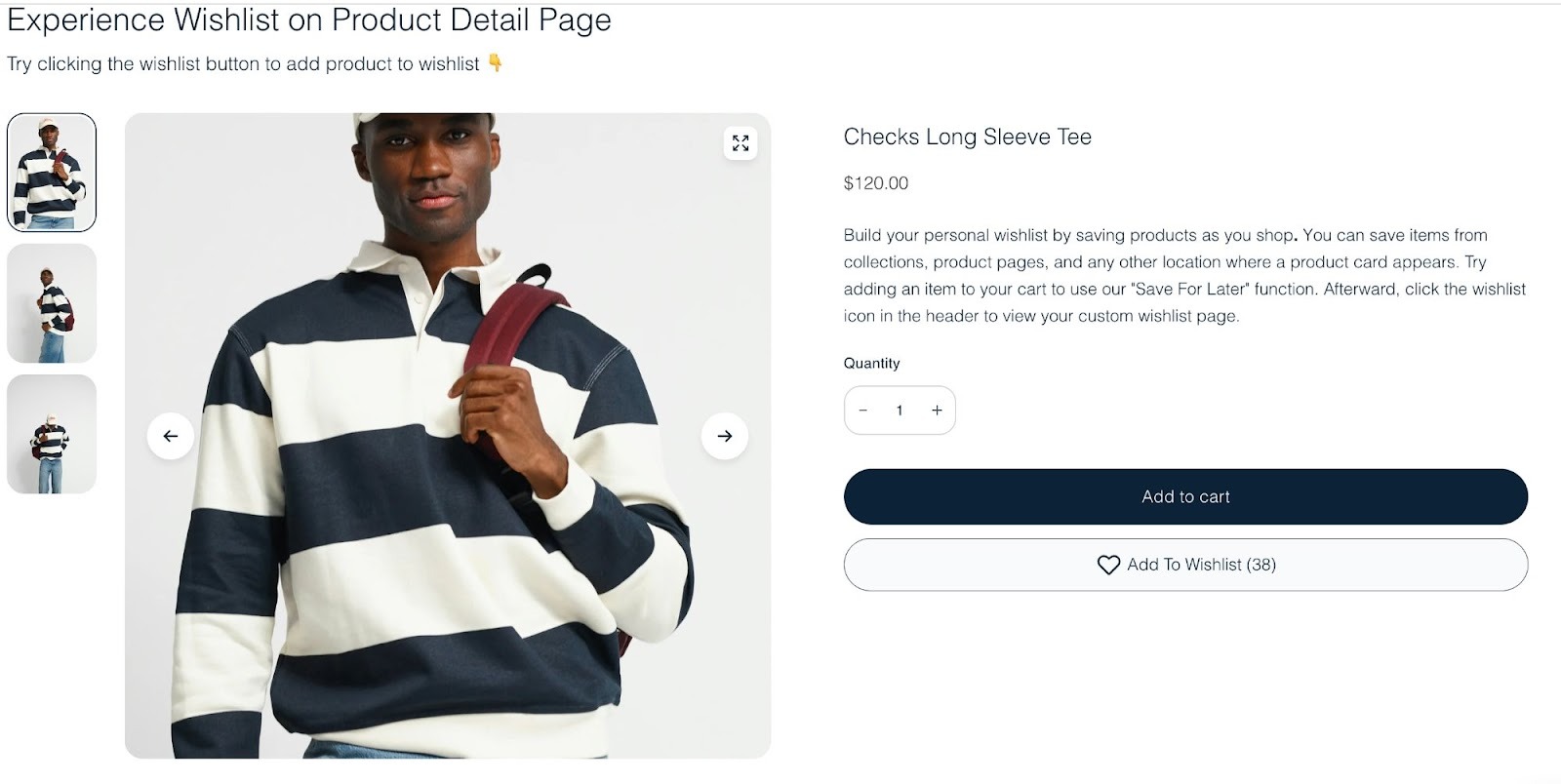
A wishlist is the most straightforward zero-party capture tool. Shoppers save products they're considering. You get a record of what they want, when they saved it, and which variant they prefer.
This data becomes the foundation for automated re-engagement. You can trigger reminders, price drop alerts, or personalized emails based on what's in their list.
The key is making the wishlist visible and functional. If it's buried in a dropdown or requires an account to use, adoption drops. If it syncs across devices and reminds shoppers what they saved, usage spikes.
Back-in-Stock Alerts
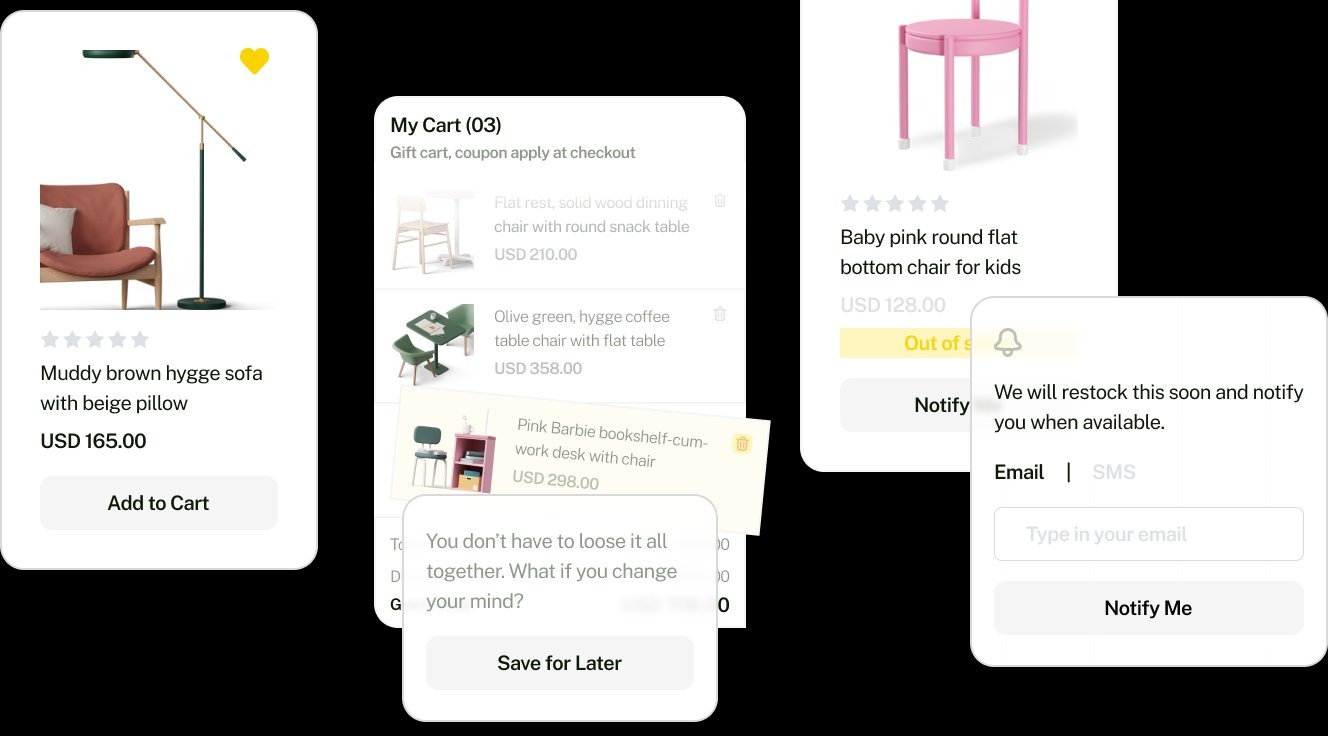
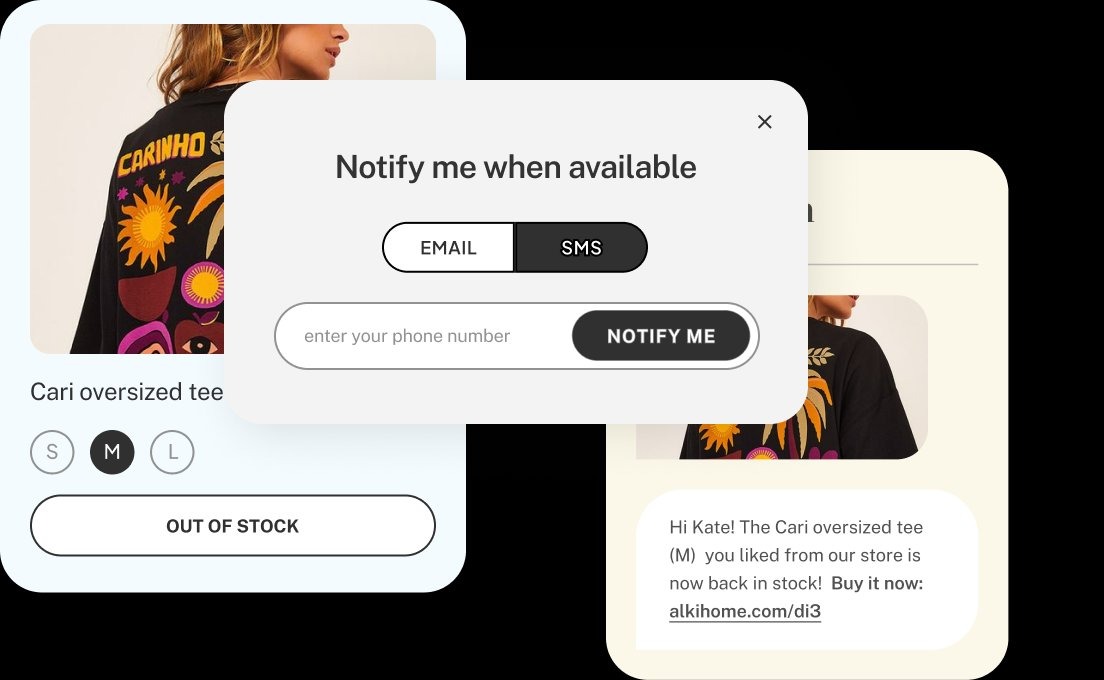
When a shopper requests a restock notification, they're telling you two things: they want this product, and they're ready to buy as soon as it's available.
This is one of the highest-intent signals in ecommerce. Restock alert emails routinely see open rates above 70% and conversion rates above 20%. The shopper opted in specifically for this message.
The data quality is also exceptional. You know the exact product, the exact variant, and the exact moment demand exists. That's the trifecta for sales intent data.
Price Drop Alerts
Price sensitivity is a real barrier to purchase. Some shoppers want the product but are waiting for a discount.
Price drop alerts let shoppers subscribe to notifications when an item goes on sale. This captures intent that would otherwise stay dormant until the shopper checks back manually, which most never do.
When you run a promotion, you're not emailing your entire list. You're targeting people who already saved the discounted products. The result is higher CTR, lower unsubscribe rates, and better ROI on your sale events.
Gift Registries and Shared Lists
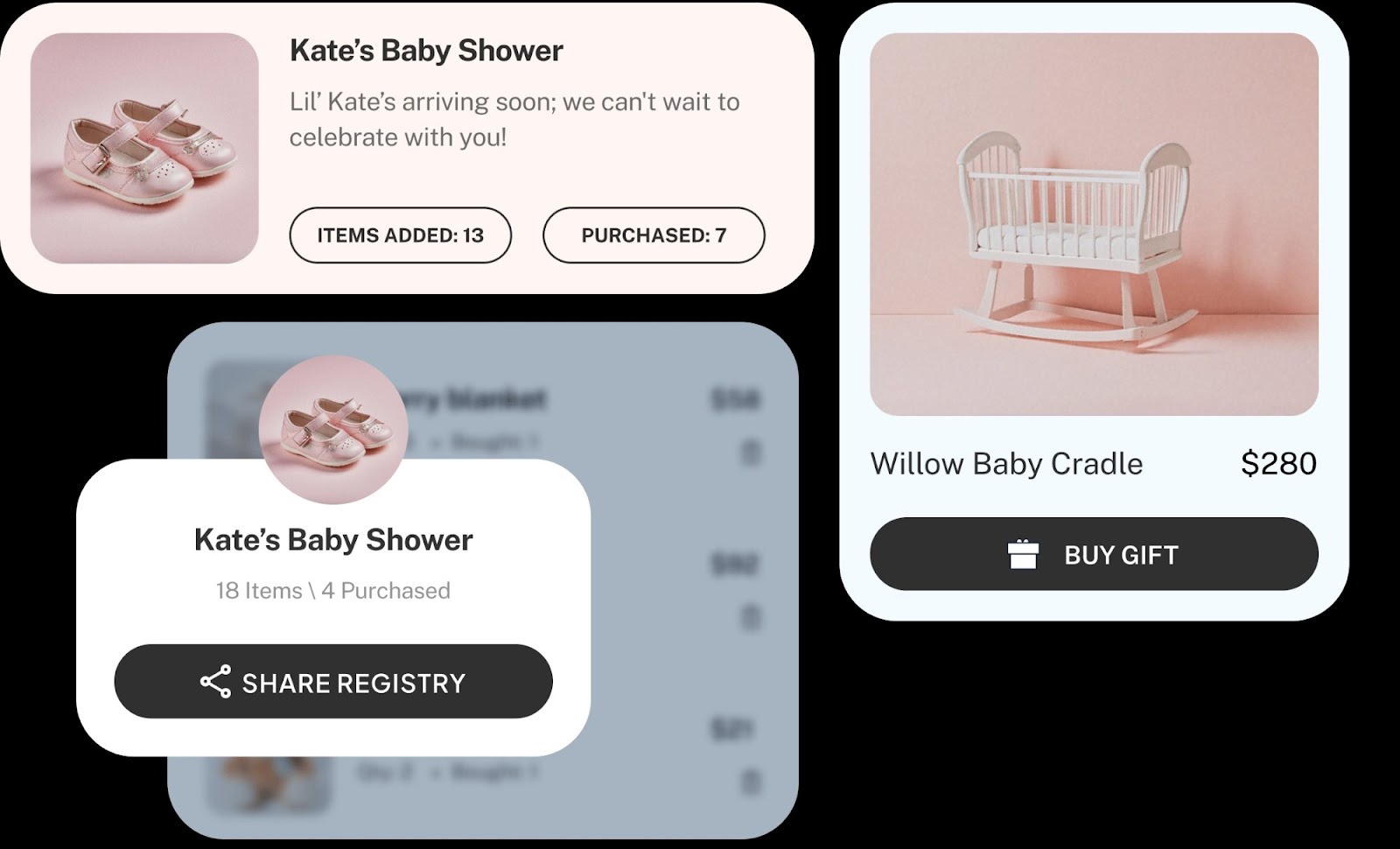
Gift registries are a concentrated source of declared intent. Every item on the registry is something the registrant explicitly wants. Friends and family are pre-qualified buyers.
This applies beyond weddings and baby showers. Shared wishlists work for holidays, birthdays, or collaborative shopping. The zero-party signal is clear: these are the products this person wants to receive.
How to Activate Purchase Intention Data Without Adding Workload
Collecting intent data is step one. Turning it into revenue is step two. Most brands struggle here because activation requires either manual effort or complex automation workflows.
The solution is purpose-built tools that act on intent automatically. When a shopper saves a product, the system should trigger a reminder sequence. When a product restocks, alerts should go out immediately. When a price drops, notifications should fire without you lifting a finger.
This is how you convert latent shopper intent data into actual orders. The intent is already there. The system just needs to act on it at the right moment.
Brands that nail this see double-digit lifts in conversion from existing traffic. They're not acquiring more shoppers. They're converting more of the demand they already generated.

Turning Browsers Into Buyers with Intent Signals
The hardest part of ecommerce isn't getting traffic. It's converting window shoppers with purchase intent signals.
Most shoppers don't convert on their first visit. They browse, compare, leave, and forget. If you don't capture their intent during that session, the opportunity disappears.
Zero-party data solves this by creating a record of what they wanted and giving you permission to follow up. Instead of hoping they come back, you remind them why they were interested in the first place.
This approach works across categories. Fashion brands use it to recover abandoned wishlists. Furniture stores use it to re-engage shoppers with long consideration cycles. Jewelry brands use it to send timely reminders before gifting occasions.
The common thread is specificity. You're not guessing what the shopper wants. They told you.
Building a Zero-Party Data Strategy That Scales
A successful zero-party data collection strategy requires three things: capture tools, activation logic, and cross-channel continuity.
First, you need visible, easy-to-use tools that encourage shoppers to declare intent. Wishlist tools that capture purchase intention should sync across devices and persist across sessions. Back-in-stock alerts should work at the variant level so shoppers only get notified when their specific size or color is available.
Second, you need automation that turns intent into action. When a shopper saves a product, a reminder email should go out within 24 hours. When a product restocks, alerts should send immediately. When a price drops, notifications should fire automatically.
Third, you need continuity. If a shopper saves something on mobile, that data should follow them to desktop, email, and even in-store via POS. Fragmented data creates fragmented experiences.
Brands that build this infrastructure unlock a durable revenue channel that doesn't depend on paid ads or third-party cookies. They own the data, the relationship, and the conversion path.
Where Do You Get Your Purchase Intention From
The best purchase intention data comes directly from shoppers who tell you what they want. Zero-party signals like wishlist saves and restock alerts outperform inferred behavior because they're explicit, timely, and consent-based.
First-party data adds context. Third-party data adds cost and legal risk without much conversion upside.
Brands that prioritize zero-party capture and automate activation see measurable lifts in conversion, AOV, and LTV. They stop guessing and start responding to real demand.
This is exactly the gap Swym's wishlist and back-in-stock tools are built to close. They capture intent the moment it happens, sync it across channels, and act on it automatically so you convert more of the traffic you already have.
Capture the Products your Shoppers Truly Love
Swym Wishlist Plus lets shoppers save products they love, ensuring valuable customer intent is never lost and ready to convert.
Customer Success Stories

Other recent articles