 Blog Home
Purchase Intention: What It Means for Ecommerce Brands
Understand what purchase intention is, why it matters for ecommerce brands, and how to capture and activate it to drive revenue.

Our most recent articles
Most merchants treat traffic like demand, but volume doesn't equal intent.
A site with 50,000 monthly visitors might have 500 people who are genuinely planning to buy, while the rest are browsing, researching competitors, or killing time. The difference between those two groups is purchase intention, and it's the most predictive signal in commerce.
Purchase intention isn't a binary switch. It's a spectrum of commitment that evolves across sessions, devices, and weeks of research. Brands that mistake page views for intention end up trapped in an expensive cycle of re-acquiring the same shoppers through ads.
The escape route is simple: capture explicit signals of intention early, preserve them across touchpoints, and trigger re-engagement when the shopper is ready to buy.
What Is Purchase Intention?
Purchase intention is the psychological state where a shopper has moved beyond curiosity and is actively planning a purchase.
Unlike browsing, which is passive exploration, intention implies mental commitment. The shopper might not be ready to buy today, but they've mentally earmarked the product as something they want.
This distinction matters because intention can be captured, measured, and activated. A shopper who saves three items to a wishlist is demonstrating purchase intention even if they don't hit checkout for another month.
The traditional AIDA model (Awareness, Interest, Decision, Action) maps neatly onto purchase intention stages. Awareness generates traffic. Interest generates repeat visits. Decision generates saves, alerts, and list-building. Action generates transactions.
Most brands focus their energy on the first and last stages while ignoring the decision phase, which is where intention becomes tangible and capturable.
The Psychology Behind Purchase Intention
Shoppers don't wake up intending to buy. They move through stages of commitment, and each stage produces different behavioral signals.
Page views signal awareness. Repeat visits signal interest. Product saves and alert subscriptions signal decision-stage commitment. Add-to-cart events signal readiness to act.
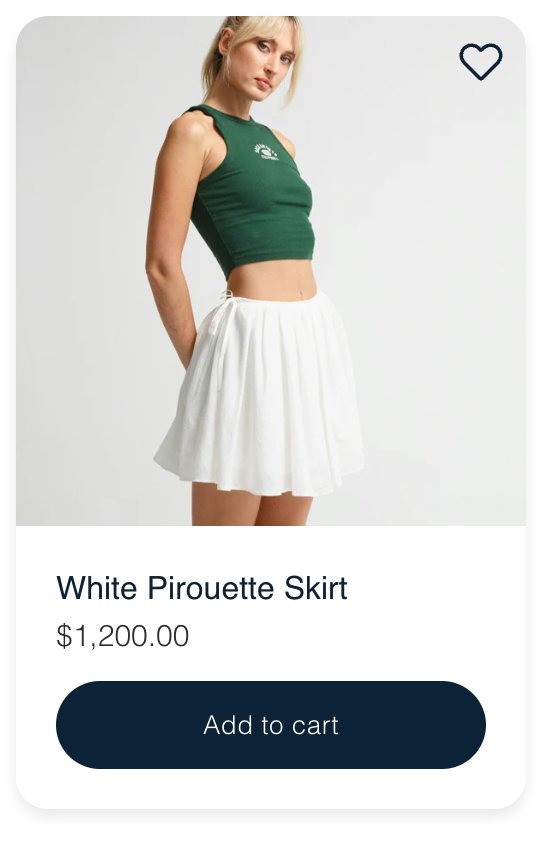
The decision stage is where intention becomes explicit. A shopper who clicks "Notify Me When Available" or saves a product to a wishlist is no longer passively browsing. They're declaring a future purchase plan.
This is the inflection point where buying signals shift from inferred to stated. The shopper has told you exactly what they want.
How Purchase Intention Differs from Purchase Intent
The terms sound interchangeable, but the distinction is meaningful.
Purchase intent typically refers to the act of intending to buy in a specific session. It's a snapshot of a shopper's mindset right now.
Purchase intention is the broader psychological state that persists across sessions and devices. It's durable. A shopper who saves a product on Monday still has purchase intention on Friday, even if they haven't returned to the site.
Most analytics platforms measure intent (session-level behavior like time on page or scroll depth) while high-converting brands capture intention (cross-session commitment like saves and alerts).
This is why tools that capture intent signals through explicit actions outperform behavioral inference models. A 30-second session might mean interest or confusion. A product save means "I want this, but not yet."
Swym's platform preserves intention signals across devices so that a shopper's research phase doesn't evaporate when they switch from mobile to desktop.
Why Most Brands Fail to Capture Purchase Intention
The infrastructure isn't designed to preserve intention across the shopper's journey.
Most brands lose the thread of commitment because their systems treat each session as isolated, infer intention from noisy behavioral data, or fail to activate the signals they do capture.
The 24-Hour Memory Problem
Most analytics platforms treat each session as isolated. A shopper who researches on mobile appears as a stranger when they return on desktop.
This fragmentation causes brands to lose continuity and resort to re-acquiring the same customer through paid ads. The intention signal was there, but it wasn't preserved.
The data confirms that intention persists far longer than most analytics platforms assume. Seriously, you wouldn’t believe how long shoppers take to buy.
During that window, they have high purchase intention, but they're not ready to commit yet.
They're comparing options, waiting for payday, consulting with a partner, or simply procrastinating. The intention is real, but the timing isn't aligned.
Brands that fail to capture and preserve intention during this window lose the sale to competitors who stay top-of-mind. The shopper forgets the product name, can't find the exact variant they wanted, or discovers a similar option elsewhere.
Relying on Inferred Behavior Instead of Explicit Signals
Many brands use behavioral proxies (time on site, scroll depth, repeat visits) to guess intention. These signals are noisy. A long session might mean interest or confusion.
Zero-party data removes the guesswork. When a shopper saves a product, subscribes to a back-in-stock alert, or creates a gift registry, they're explicitly declaring what they want.
High-converting brands focus on capturing these explicit signals rather than trying to infer intention from passive behavior. The difference in conversion rates is substantial.
Tools like wishlist tools to capture purchase intent function as direct confession engines, turning vague interest into measurable commitment.
No Continuity Across Touchpoints
Even when intention is captured, it often dies in a silo. A wishlist saved on the website doesn't sync to email campaigns or SMS triggers.
Without activation, a saved product is just a static data point. Brands need automated re-engagement mechanisms to convert intention into revenue.
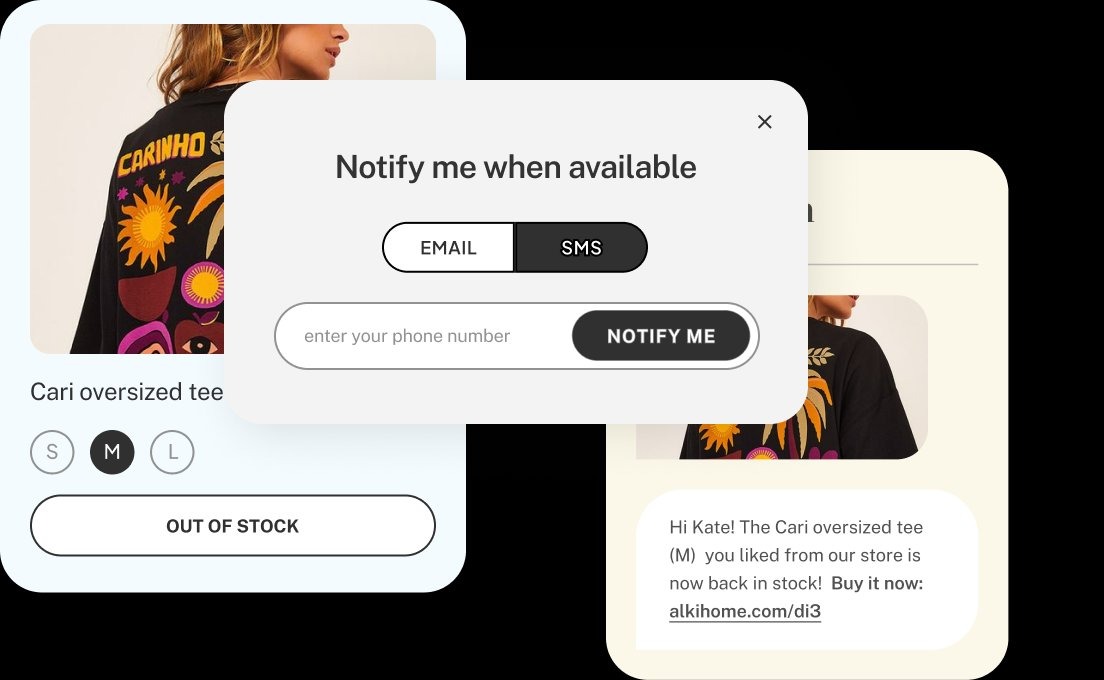
Features like back in stock alerts function as automated intention activators. When the product restocks, the shopper gets a triggered notification that pulls them back to complete the purchase.
The mechanism only works if intention signals are synced across the merchant's tech stack and accessible to email, SMS, and ad platforms.
The Role of Zero-Party Data in Measuring Purchase Intention
Zero-party data is information a shopper deliberately shares: product saves, preference selections, alert subscriptions, gift registry entries.
This is different from first-party data (observed behavior like page views and clicks) and third-party data (inferred profiles from tracking across the web). Zero-party data is explicit, privacy-compliant, and predictive.
A shopper who saves three items from the same category is signaling category-level intention. A shopper who subscribes to a back-in-stock alert for a specific size and color is signaling SKU-level intention.
Zero-party signals are the gold standard for purchase intention because they're stated preferences, not behavioral guesses. They survive privacy restrictions, cross-device fragmentation, and cookie deprecation.
Shopper intent revenue is clear. High-intent shoppers who engage with zero-party capture tools generate significantly higher returns.
Swym's Wishlist Plus and Back in Stock products act as zero-party collection engines, capturing durable intention signals that persist across sessions and sync cross-device.
How to Activate Purchase Intention Across the Customer Journey
Capturing intention is half the battle. The other half is preserving and activating it across touchpoints.
1. Capture Intention Early
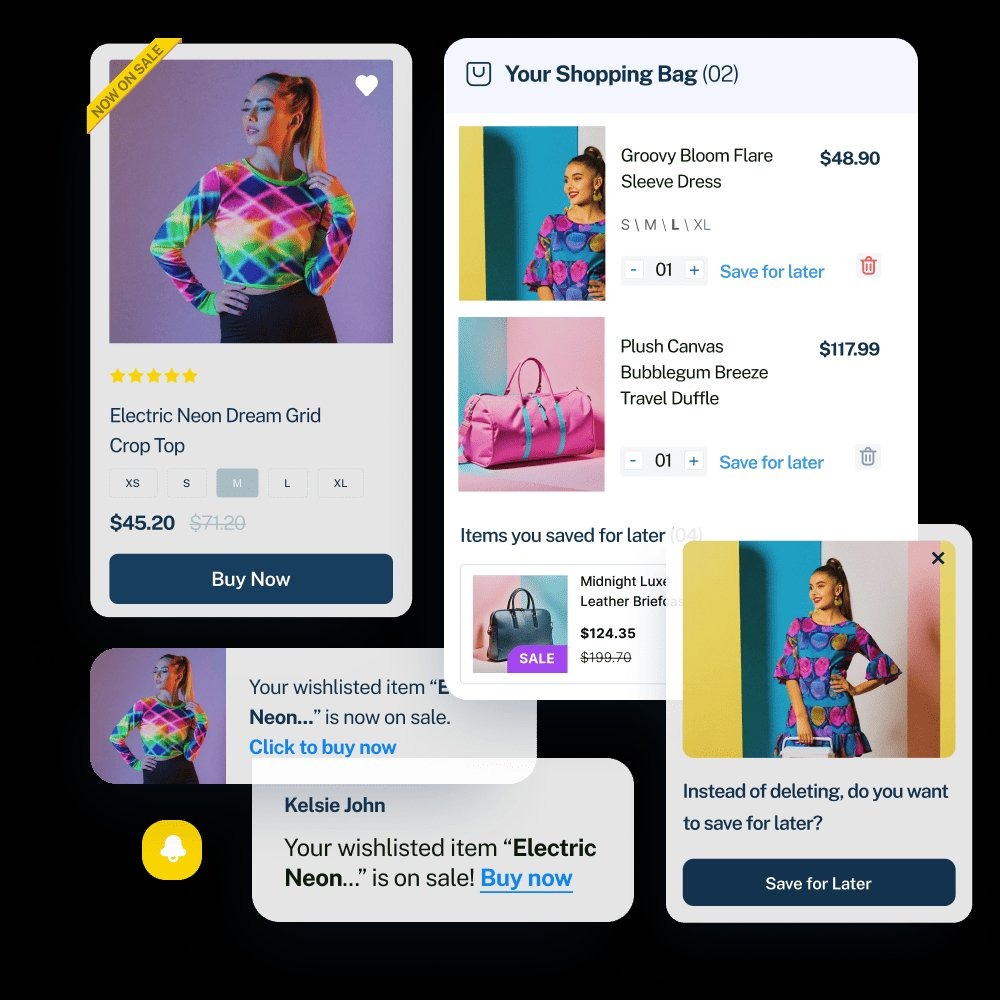
Enable wishlist functionality site-wide so shoppers can save items during the research phase. Make it frictionless: guest wishlists, one-click saves, cross-device sync.
The earlier you capture intention, the more touchpoints you have to nurture it into a sale. A shopper who saves an item on their first visit gives you weeks of re-engagement opportunities.
This is how brands turn window shoppers into buyers. They provide a low-friction way to bookmark intent without forcing an immediate purchase.
The alternative is hoping the shopper remembers the product name and returns organically, which rarely happens.
2. Preserve Intention Across Devices
Ensure saved items, alerts, and lists sync from mobile to desktop to in-store. A shopper who adds three items to a wishlist on their phone should see the same list when they log in on a laptop.
Without continuity, intention resets to zero, and the shopper has to start their research over. This friction kills momentum and hands the sale to whichever competitor the shopper visits next.
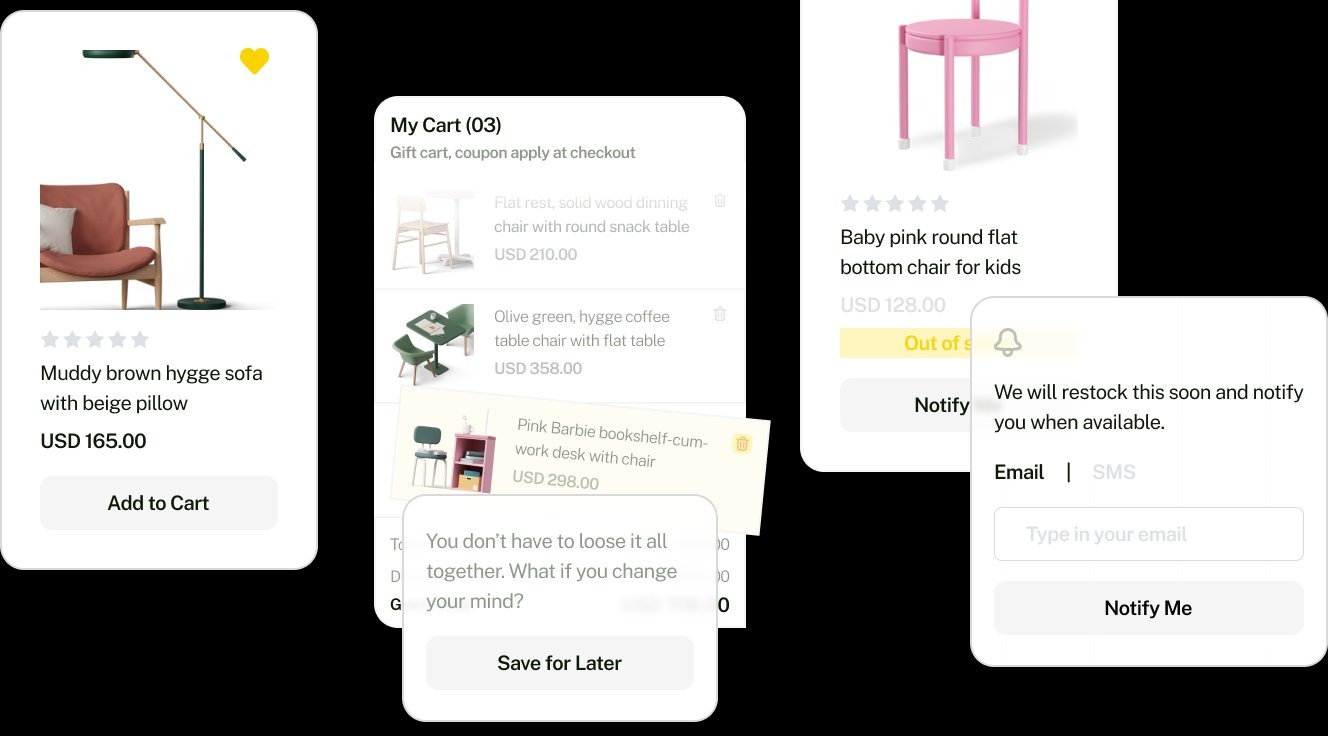
Trigger Re-Engagement Based on Intention Signals
Use automated alerts (back-in-stock, price drop, wishlist reminders) to pull high-intention shoppers back to the site. These triggers work because they're addressing a stated need, not interrupting with generic promotions.
Data shows back-in-stock alerts generate a median of $63 per alert. That's not revenue from new traffic. It's revenue recovered from shoppers who already demonstrated purchase intention.
The mechanism is simple: capture the intention signal when the product is unavailable, store it cross-session, and trigger a notification when the barrier (stock, price, timing) is removed.
Purchase Intention with Swym
Purchase intention is a capturable, measurable signal, but only if brands have the infrastructure to collect and activate it.
Most merchants lose intention to fragmentation (cross-device breaks), inference errors (guessing from behavior), or activation failures (captured but not triggered). Swym solves all three.
Our platform captures zero-party intent signals through product saves, alert subscriptions, and list-building. It syncs those signals cross-device so intention doesn't fragment when the shopper switches from phone to laptop.
When that intention ripens into action, Swym triggers automated re-engagement through back-in-stock alerts, price drop notifications, and wishlist reminders. The result is revenue that other brands let slip away.
Swym merchants recovered $1.14 billion in 2025 alone by acting on intention signals that most brands never capture. Focus on capturing intention, not just traffic, and the revenue will follow.
Capture the Products your Shoppers Truly Love
Swym Wishlist Plus lets shoppers save products they love, ensuring valuable customer intent is never lost and ready to convert.