 Blog Home
Intent Signals: Turn Browsing Into Revenue
Learn how intent signals reveal buyer readiness and help you prioritize high-value prospects to boost conversions and accelerate sales growth

Our most recent articles
97% of shoppers don't convert on their first visit. Most merchants see this as a conversion problem and pour more budget into traffic acquisition.
But the real issue isn't traffic volume. It's that high-value intent signals are evaporating between sessions because they're never captured in the first place.
A shopper saves three items on mobile during their commute. They research sizing on desktop during lunch. By evening, when they're ready to buy on a tablet, the context is gone. The intent dies, and the merchant loses a sale they already earned.
Intent signals are the bridge between browsing and buying. Capturing and activating them is how you unlock the revenue potential hiding in your existing traffic.
What Are Intent Signals?
Intent signals are explicit actions a shopper takes that reveal purchase likelihood even when they don't buy immediately.
Unlike passive behavioral data collected through cookies, intent signals are zero-party data. The shopper deliberately shares their preferences by saving a product, requesting a restock alert, or adding an item to a list.
These actions tell you exactly what a shopper wants, when they want it, and at what price point. A wishlist save isn't window shopping. It's a shopper raising their hand and saying "I'm interested, but not ready yet."
The most common intent signals include wishlist saves, back-in-stock alert requests, repeat product views, cart additions without purchase, and curated list creation. Each one represents a different stage of consideration, but all of them indicate latent demand.
These explicit actions are different from general browsing behavior because they represent clear purchase intent that can be captured and activated. A shopper who views a product once might be casually browsing. A shopper who saves it to a wishlist is planning a future purchase.
The average purchase window is 41 days. Intent signals let you stay connected across that entire consideration phase instead of losing the shopper after their first session.
Why Most Merchants Lose Revenue to Uncaptured Intent
Merchants obsess over the first click and the last click, but ignore the six to eight touchpoints in between where intent is actually building.
The fragmented journey problem kills more revenue than cart abandonment. A shopper discovers a product on Instagram during their morning commute, researches specifications on desktop during lunch, and finally decides to buy on a tablet in the evening. If the context doesn't follow them across those devices, the intent dies.
Privacy regulations have made this problem worse. Third-party cookies are disappearing. Merchants can no longer track shoppers across the web, which means traditional behavioral targeting is broken.
Understanding how long shoppers take to buy is critical, because without intent capture, that extended consideration window becomes a black hole for revenue. 10% of shoppers take 120 days or longer to complete a purchase. If you're relying on 24-hour cookie windows, you're invisible for 119 of those days.
Unlike behavioral tracking that relies on cookies, intent data is explicitly shared by the shopper and owned by the merchant. When a shopper saves an item or requests a restock alert, they're giving you permission to stay connected. That permission travels with them across devices and sessions.
The gap between traffic acquisition and conversion isn't a conversion problem. It's an infrastructure problem. Most merchants don't have a system to capture intent signals at the moment they happen, which means every browsing session resets to zero.
The 4 High-Value Intent Signals Every Merchant Should Capture
Wishlist Saves
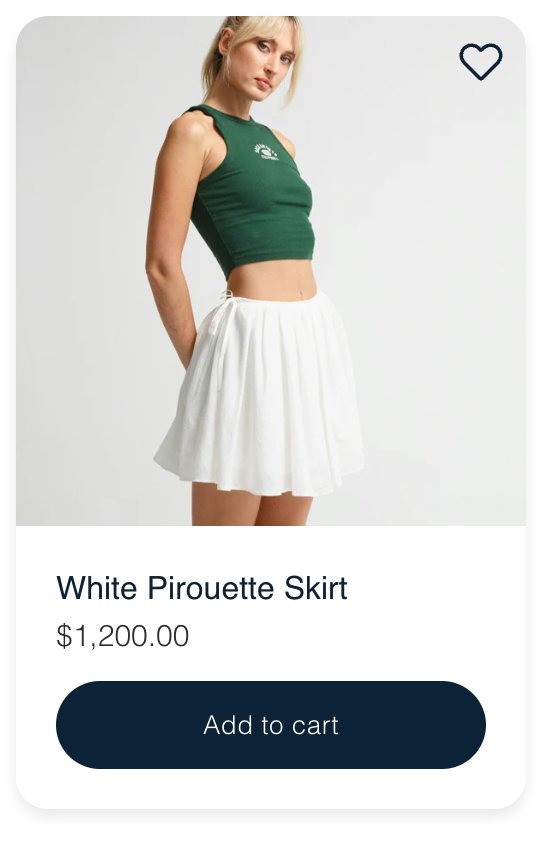
A wishlist save means the shopper has identified a specific product they want but isn't ready to commit yet.
This is one of the highest-value signals you can capture because it reveals both product preference and timing hesitation. The shopper is saying "I want this, but I need to wait."
Shoppers who wishlist items convert at 31% and spend 15% to 25% more per order than the average site visitor. Year-over-year, users are saving 58% more items.
Smart merchants use a wishlist to capture purchase intent and turn browsing sessions into future revenue opportunities. The activation mechanism is automated wishlist reminder emails and price drop alerts that notify the shopper when the timing is right.
If a shopper saves an item and you never follow up, you've captured the signal but failed to activate it. The revenue stays latent.
Back-in-Stock Alert Requests
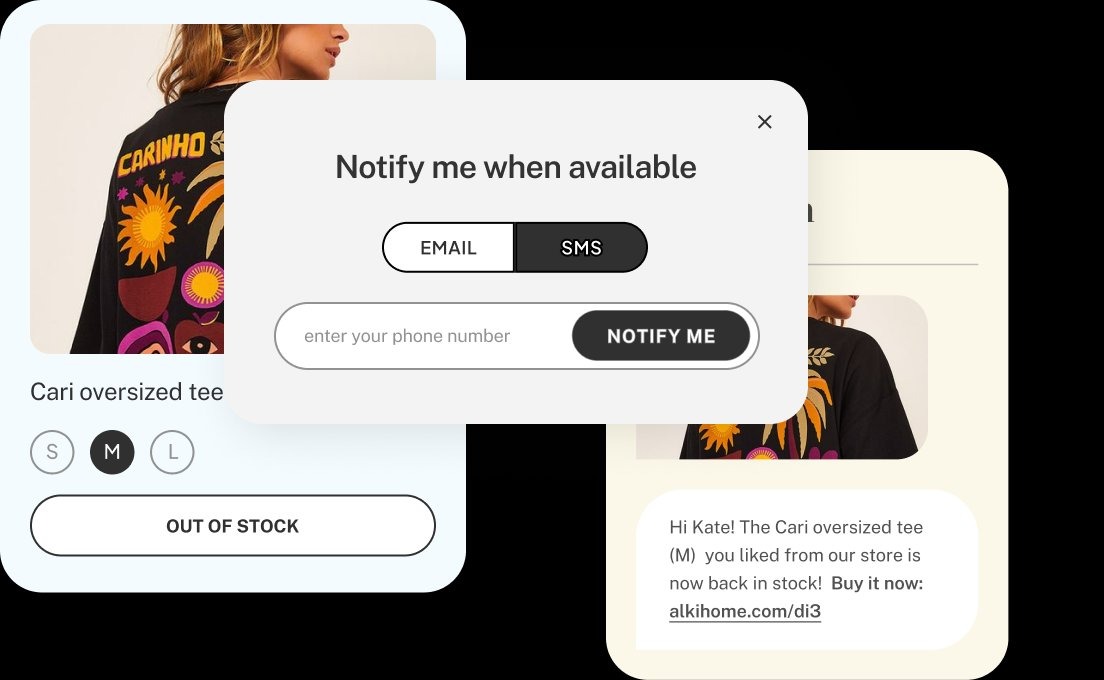
A back-in-stock alert request is a shopper raising their hand and saying "I found exactly what I want, but it's unavailable. Tell me the moment it's back."
This is the highest-converting intent signal because the shopper has already done the research and made the decision. The only barrier is inventory availability.
Merchants using back in stock alerts to capture and activate restock demand see conversion rates three to five times higher than standard email campaigns. Back-in-stock emails achieve a 79% open rate and a median revenue of $63 per alert.
The activation mechanism is automated restock notifications sent the moment inventory replenishes. Variant-level precision ensures that alerts only trigger for the specific size and color the shopper requested, not the entire product line. A shopper waiting for a size medium in black doesn't care that you restocked size small in red.
This signal eliminates guesswork. The shopper has already told you exactly what they want. All you have to do is notify them when it's available.
Repeat Product Views
Multiple views of the same product indicate serious consideration.
A shopper who visits the same product page three times over two weeks is researching. They're comparing options, reading reviews, checking specifications, and building confidence in the purchase decision.
This signal identifies high-intent shoppers who need a nudge. Social proof, urgency messaging, or personalized outreach can close the gap between consideration and conversion.
The activation mechanism is retargeting sequences and personalized emails that highlight reviews, answer common questions, or create urgency with limited stock messaging. If a shopper has viewed the same product four times, they're not casually browsing. They're stuck in a research loop.
Repeat views also reveal friction points. If a shopper keeps returning to the same page but never adds to cart, something is blocking them. Price sensitivity, unclear shipping terms, or missing product information are common culprits.
Cart Additions Without Purchase
Cart abandonment isn't failure. It's often just a sign that a shopper is managing their budget.
When a shopper adds three items to their cart but only buys one, the other two items aren't rejected. They're deferred. The shopper is prioritizing, not abandoning.
The key to recovering these sessions is learning how to turn window shoppers into buyers by respecting their timeline and removing friction.
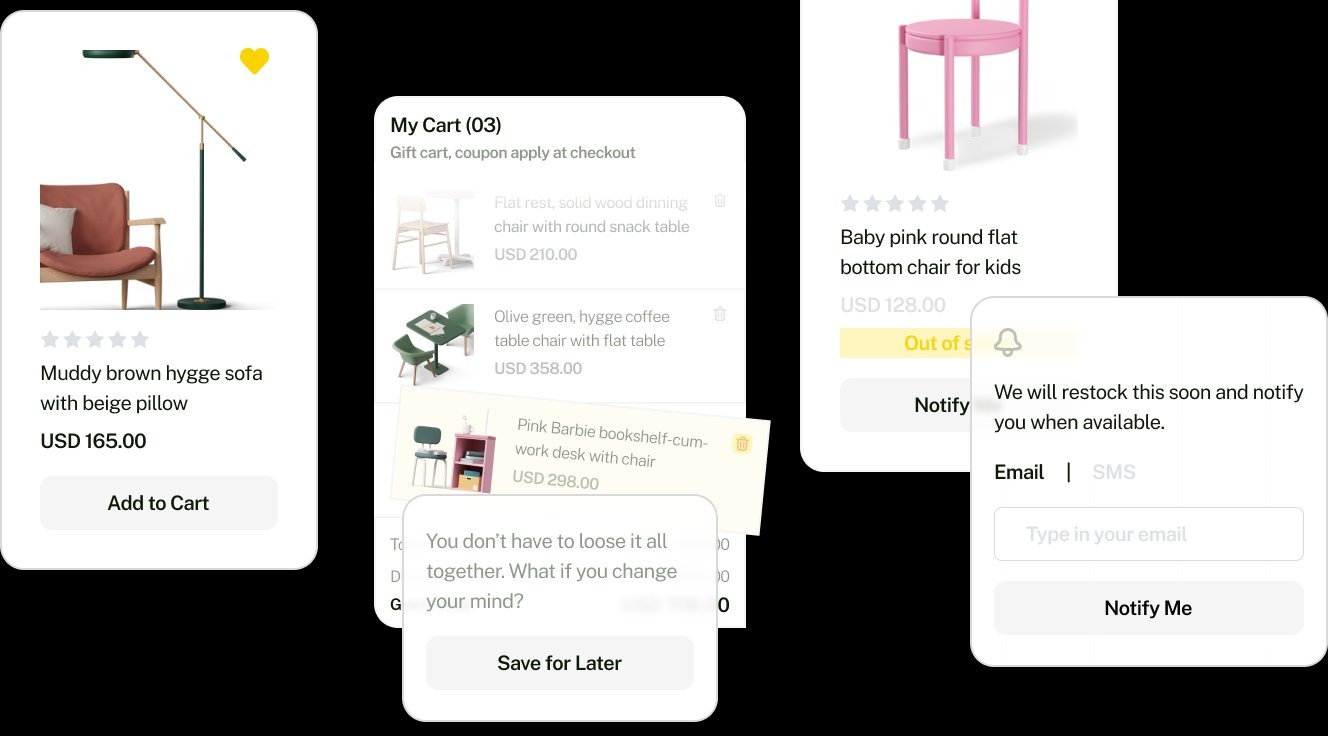
Instead of letting them delete the items and forget about them, offer a save for later option directly in the cart.
This keeps the items in the shopper's view without the pressure of an immediate purchase. When the shopper returns to finish their order, those saved items can be moved back into the active cart with a single click, which increases the total item count at checkout.
Price drop alerts or free shipping triggers bring hesitant shoppers back. If a shopper saved an item because it was too expensive, notifying them when it goes on sale converts the deferred interest into immediate revenue.
How to Activate Intent Signals to Drive Revenue
Capturing intent is only half the equation. Activation is what turns signals into revenue.
Automated triggers are the engine of activation. Back-in-stock alerts, price drop notifications, and wishlist reminders run on autopilot without manual intervention.
This removes the burden from the merchant. You don't need to manually track who's waiting for what. The system activates the signal automatically.
Effective customer intent analysis lets you segment shoppers based on their specific signals and tailor automated campaigns that match their stage in the buying journey. With Swym, this is extremely easy to do.
Capture the Products your Shoppers Truly Love
Swym Wishlist Plus lets shoppers save products they love, ensuring valuable customer intent is never lost and ready to convert.


.png)