 Blog Home
Buying Intent: How to Identify and Convert It
Learn how to identify buying intent signals, target high-intent customers, and boost conversions with proven strategies that turn interest into sales

Our most recent articles
Most merchants obsess over traffic and conversion rate, but ignore the massive gap in between.
The 97% of shoppers who don't buy on first visit aren't gone forever. They're actively considering a purchase, building mental lists, comparing options across devices, and waiting for the right moment to commit.
This gap is where buying intent lives. It's the pre-purchase behavior that determines whether a shopper becomes a customer or disappears into the retargeting void.
Data shows the average ecommerce journey takes 41 days and requires 6 to 8 touchpoints before a sale happens. If you're not capturing and activating intent across this window, you're leaving millions on the table.
This article will show you how to identify the three tiers of buying intent, capture it systematically, and convert it without increasing your ad spend.
What is Buying Intent?
Buying intent is the pre-purchase behavior and mindset that indicates active consideration.
It's the shopper who views the same product three times across different sessions. The person who adds an item to their cart but doesn't check out. The customer who requests a back-in-stock alert for a specific size and color.
Intent has direction, specificity, and persistence. It's fundamentally different from passive browsing.
Traditional conversion tracking only captures the final moment. Last-click attribution shows you who bought, but it misses the entire consideration journey that led to that decision.
In a privacy-first world where third-party cookies are dying, buying intent captured through zero-party data is the only reliable signal you fully own. When a shopper voluntarily saves a product or requests an alert, they're handing you their purchase plan on a silver platter.
Why Buying Intent Matters More Than Ever
Customer acquisition costs have increased 60% in the past two years.
Getting more value from existing traffic is no longer optional.
You need first-hand signals from your own property.
Recent data on how long shoppers take to buy reveals that the average consideration window has stretched to 41+ days for many categories. If you're not tracking intent across this window, you're effectively blind.
The multi-device reality compounds the problem. Shoppers research on mobile during their commute, compare options on desktop during lunch, and buy on a tablet in the evening.
Without intent capture and sync, each device is a blank slate. The shopper has to start over every time they switch contexts.
This creates the re-acquisition trap. Brands are spending thousands to retarget customers who were already on their site but whose intent wasn't captured. You're essentially paying Facebook to remind a customer about something they already wanted.
The Three Tiers of Buying Intent Signals
Not all intent signals carry the same weight.
A shopper who saves a product to a wishlist is far more valuable than someone who glanced at a category page for three seconds. Understanding this hierarchy lets you prioritize your activation efforts and avoid wasting resources on weak signals.
Tier 1: Explicit Intent Signals (Strongest)
These are voluntary declarations. The shopper is explicitly telling you "I want this specific product."
Explicit signals include wishlist saves, back-in-stock alert requests, price drop alert subscriptions, gift registry additions, and account creation with saved preferences.
When a shopper saves a product to a wishlist, they're making an explicit statement of purchase intent that goes far beyond passive browsing. This is zero-party data. You own it completely, and it's immune to privacy regulations.
Shoppers who engage with wishlist features convert at 31% versus a site average of 2 to 3%. They also have 70% higher basket density because they've already curated their perfect collection before checkout.
Tier 2: Behavioral Intent Signals (Moderate)
These actions require effort and attention.
Actions like multiple product views, extended time on product pages, variant selection, and zoom engagement are all buying signals that indicate serious consideration.
A shopper who's viewed the same product three times across different sessions is clearly considering it, even if they haven't hit the save button yet. Extended time on product pages, especially 2+ minutes, suggests the shopper is reading descriptions, checking sizing, and evaluating fit.
Tier 3: Engagement Intent Signals (Contextual)
While these intent signals are more subtle than explicit saves or alerts, they reveal a shopper actively working through purchase objections.
Review reading, especially negative reviews, shows due diligence. FAQ page visits and shipping policy views indicate the shopper is checking boxes before committing.
Email opens and clicks for re-engagement campaigns prove the shopper is still interested. Category browsing with product filtering shows refinement of preferences.
These signals show research and objection-handling. The shopper is in late-stage consideration, working through their final hesitations before purchase.
How to Capture Buying Intent Systematically
Understanding intent signals is useless if you're not capturing them.
Most merchants leak intent because they don't give shoppers the tools to express it. You need to build systematic capture mechanisms that turn invisible consideration into trackable data.
1. Enable Zero-Party Data Collection
Give shoppers tools to volunteer their intent.
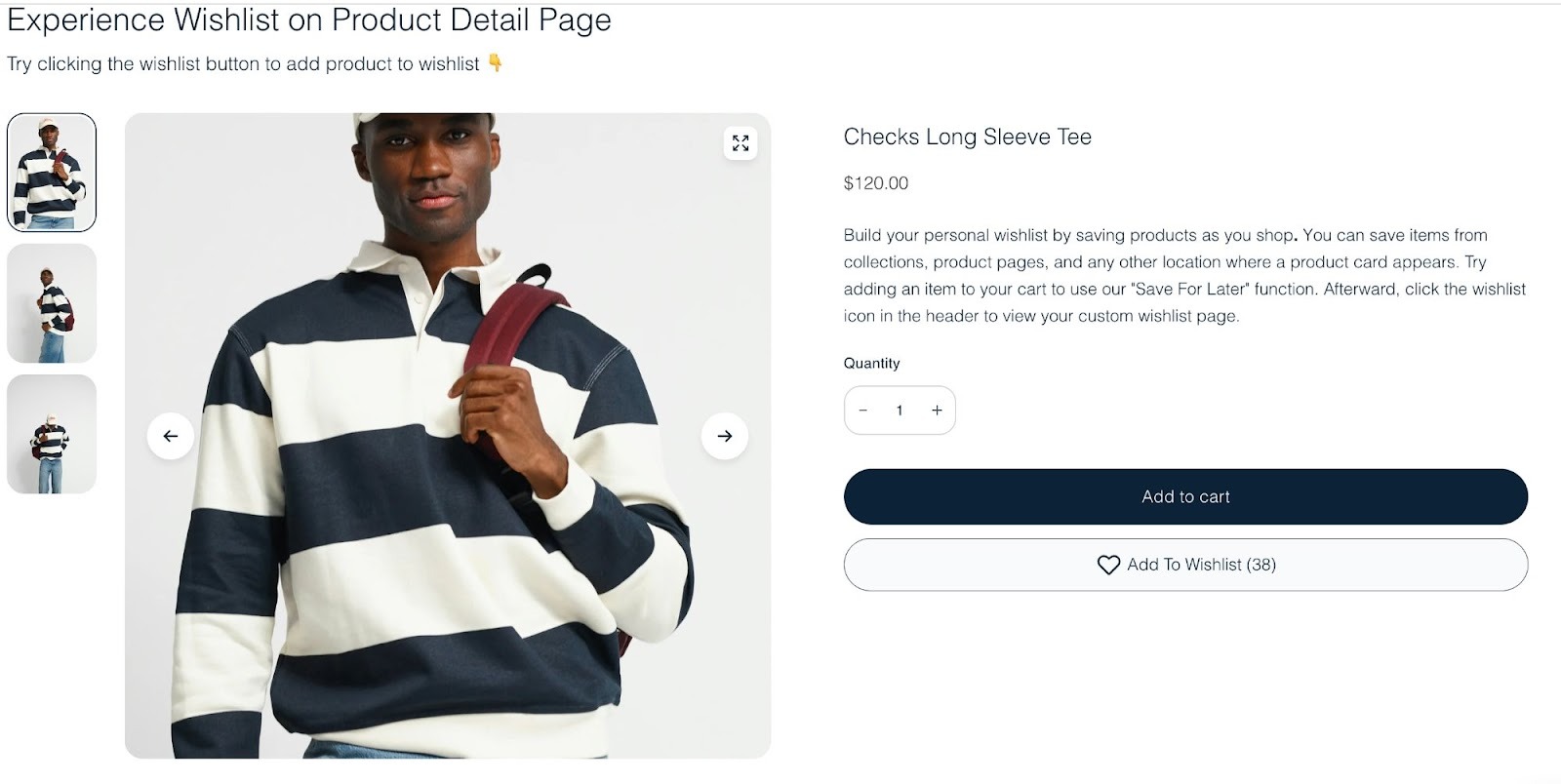
Add wishlist and save features on product pages. Include "Notify me" buttons for out-of-stock items. Offer "Alert me on price drop" options for price-sensitive shoppers.
Let shoppers create multiple lists for different occasions: gift lists, seasonal collections, project-based carts.
Merchants using wishlist tools to capture buying intent report 15 to 25% higher AOV from wishlist users compared to general site visitors. When shoppers save items, they're doing your segmentation work for you.
This data must sync across devices. A save on mobile needs to appear on desktop and in-store via POS integration. Without cross-device continuity, you're back to the blank slate problem.
2. Track Cross-Session Behavior
Connect anonymous and known user sessions.
Use persistent identifiers like account login or email capture. Track product view frequency and recency. Monitor cart state across visits. Log search query patterns.
A shopper who views the same product on Monday, Wednesday, and Friday is exhibiting strong intent even if they haven't saved it yet. Your system should flag this pattern and trigger a gentle nudge.
This is first-party data from your own domain. As long as you're transparent about tracking through cookie banners and privacy policies, you're compliant with GDPR and CCPA.
3. Integrate Intent Signals Into Your Customer Data Platform
Feed intent data into your marketing stack.
Sync wishlist saves to your ESP like Klaviyo or Attentive. Create intent-based segments such as "Saved 3+ items" or "Requested restock alert."
Build triggered flows around specific intent actions. Use intent data to inform ad retargeting on Meta and Google.
The billion-dollar opportunity hiding in latent shopper intent comes from merchants who capture these signals but never activate them. Intent signals are 10x more valuable when they're actionable across channels.
A shopper who saved a product should see related products in your next email campaign. They should get prioritized in your retargeting ads. Their saved items should appear on the homepage when they return.
How to Convert Buying Intent Into Revenue
Capturing intent without converting it is just expensive data storage.
Every intent signal should trigger a specific response designed to move the shopper closer to purchase.
Automated Trigger Campaigns
Set up flows that activate when specific intent signals fire.
Setting up back in stock alerts ensures that every shopper who requested a notification converts the moment inventory becomes available. When a wishlisted product restocks, send an immediate notification. Back-in-stock emails earn a median of $63 per alert sent.
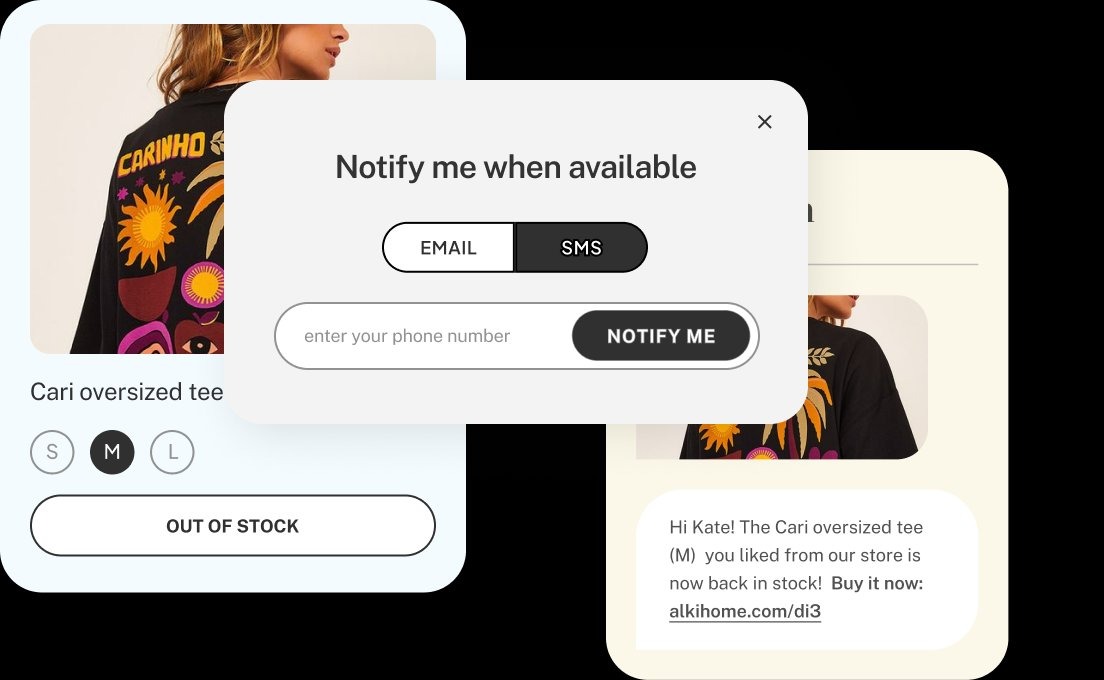
Price drop alerts activate when a saved item goes on sale. The shopper already wanted the product at full price, so a discount is pure conversion acceleration.
Wishlist reminders trigger if a shopper saved items but hasn't purchased in 7 days. This is a gentle nudge, not a hard sell.
Cart abandonment emails should include wishlisted items to increase basket size. Don't just remind them about the cart. Show them everything they've expressed interest in.
Cross-Device Continuity
Eliminate the blank slate problem.
Sync wishlist and cart across mobile, desktop, and in-store. Use account-based tracking or email capture to persist data. Show saved items prominently when a shopper returns on a different device.
Shoppers who can resume their journey seamlessly are far more likely to complete the purchase. You're reducing friction, not adding steps.
Personalized Re-Engagement
Use intent data to personalize outreach.
Send product-specific emails based on saved items. Show wishlisted products on the homepage when a shopper returns. Use dynamic content in emails to reflect the exact variant, size, and color the shopper saved.
Generic "Come back" emails get ignored. "Your saved Nike Air Max in size 10 is still available" gets clicked.
Personalized email campaigns driven by intent data achieve up to 12% click rates. That's 3 to 4x higher than batch-and-blast campaigns that treat all subscribers the same.
These strategies help you turn window shoppers into buyers by respecting their research phase while staying top-of-mind.
Reduce Friction in the Final Step
Make the path from intent to purchase as smooth as possible.
Add one-click "Buy All Saved Items" buttons. Auto-apply saved preferences for size, color, and quantity. Offer guest checkout options that still capture intent data.
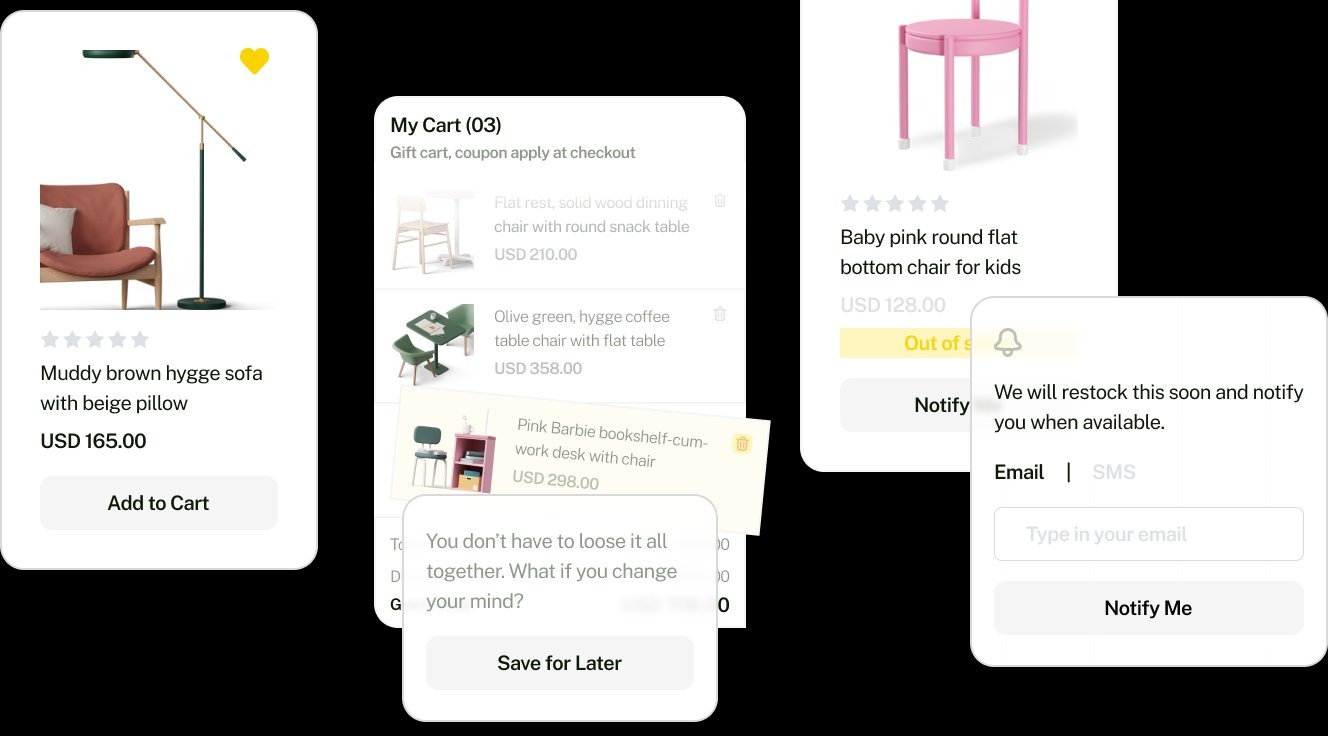
Include "Save for Later" in the cart so shoppers can manage their budget without losing items. This prevents deletion and keeps the intent signal alive.
You've already done the hard work of capturing intent. Don't lose the sale to checkout friction or pressure tactics.
Common Mistakes When Handling Buying Intent
Most merchants capture some intent signals but fail to convert them because of avoidable mistakes.
Understanding what not to do is just as valuable as knowing the right strategies. These four errors are responsible for the majority of leaked revenue.
- Treating all traffic the same is the most common mistake. Sending the same generic email blast to everyone. Not segmenting based on intent signals. Applying the same discount to window shoppers and high-intent savers. A shopper who wishlisted three products and requested a back-in-stock alert is not the same as someone who landed on your homepage once and bounced.
- Ignoring cross-device journeys destroys continuity. Letting wishlist data die when a shopper switches devices. Not syncing intent signals to your ESP or CDP. Treating mobile and desktop as separate funnels.
- Over-discounting high-intent shoppers erodes margin unnecessarily. Blasting 20% off to someone who was already going to buy at full price. Training customers to wait for discounts before purchasing.
- Relying only on last-click attribution blinds you to the full journey. Ignoring the 40 days of consideration that happened before the final click. Over-crediting your retargeting ads when the shopper already had the product wishlisted.
Even your content strategy should reflect intent. Understanding buying intent keywords helps you attract shoppers who are already in consideration mode, not just research mode.
Capturing and Converting Buying Intent with Swym
Swym's platform captures explicit intent signals through wishlist saves, back-in-stock alerts, and price drop subscriptions. It tracks behavioral intent through cross-session product views and cart state. It activates engagement intent through automated, personalized re-engagement flows.
Every signal syncs across devices and integrates with your existing marketing stack. A shopper who saves a product on mobile sees it waiting on desktop and in-store via POS.
This is exactly the gap Swym's solutions are built to close. Capturing intent the moment it happens, preserving it across the entire consideration window, and acting on it automatically when the shopper is most likely to buy.
Capture the Products your Shoppers Truly Love
Swym Wishlist Plus lets shoppers save products they love, ensuring valuable customer intent is never lost and ready to convert.